

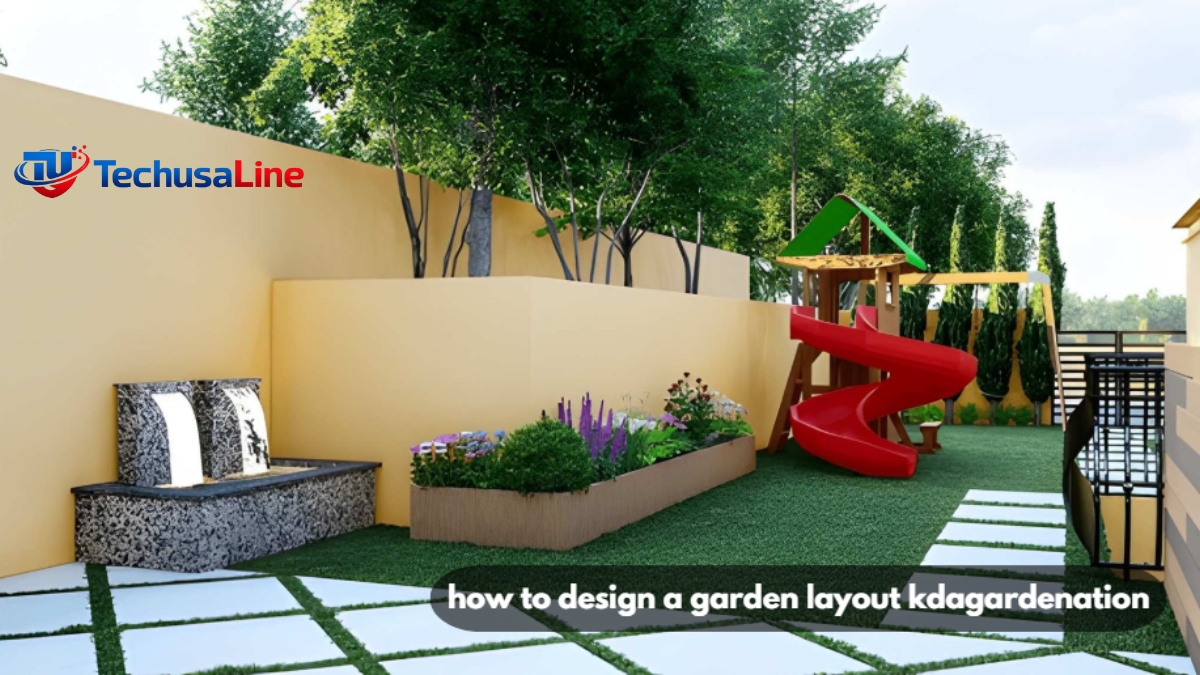
How to design a garden layout kdagardenation is more than just planting flowers and placing a few decorative stones. It is a thoughtful process that blends creativity, structure, and environmental understanding. The concept of how to design a garden layout kdagardenation focuses on a structured yet flexible approach to planning outdoor spaces that are functional, visually appealing, and sustainable. Whether you have a small backyard or a large open landscape, a well-planned garden layout can completely transform the way your space looks and feels how to design a garden layout kdagardenation.
A successful garden design does not happen by chance. It requires careful observation of space, climate, and personal preferences. From choosing the right plants to designing pathways and focal points, every decision contributes to the overall harmony of the garden. In this guide, you will learn a complete step-by-step approach to designing a garden layout that is both practical and beautiful how to design a garden layout kdagardenation.
Introduction to Garden Layout Design (Kdagardenation Concept)
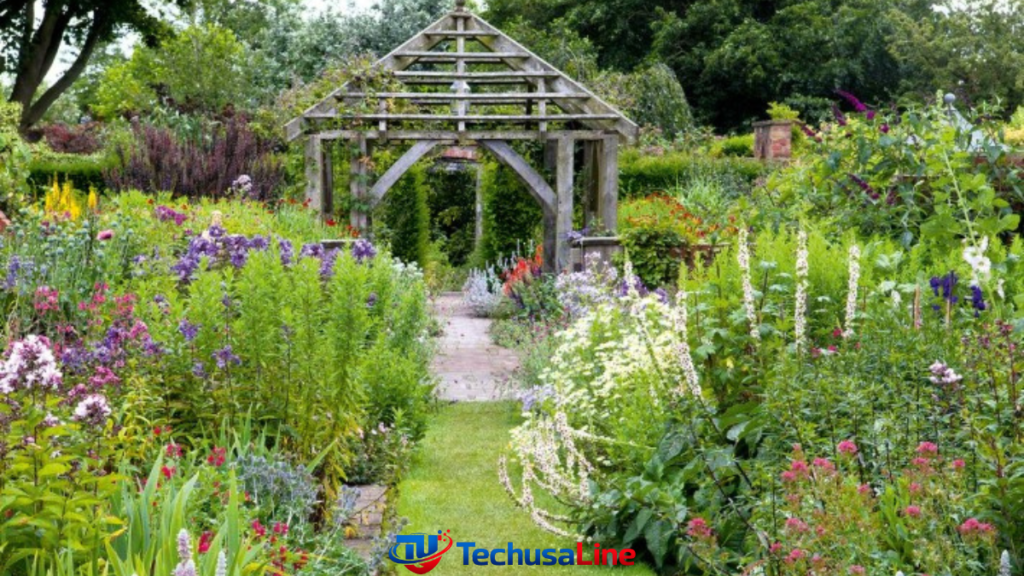
The idea behind how to design a garden layout kdagardenation is to create a structured planning method for outdoor spaces. It emphasizes balance between nature and design, ensuring that every element in the garden serves a purpose. Instead of randomly placing plants and decorations, this approach encourages thoughtful organization.
A well-designed garden layout enhances both aesthetics and usability. It allows homeowners to enjoy their outdoor space for relaxation, gardening, and entertainment. It also improves property value and creates a peaceful environment that supports mental well-being. By understanding how to design a garden layout kdagardenation, you can turn even the simplest yard into a refreshing green sanctuary.
Garden design also involves creativity and personalization. Some people prefer modern minimalist gardens, while others enjoy lush, colorful landscapes. The kdagardenation approach helps combine personal taste with practical design principles, ensuring long-term satisfaction how to design a garden layout kdagardenation.
Understanding Your Space Before Designing a Garden Layout
Before planting anything, it is essential to understand your garden space. The foundation of how to design a garden layout kdagardenation begins with proper observation and planning. Start by measuring your garden area and creating a rough sketch. This helps you visualize where different elements can be placed.
Next, study the natural conditions of your space. Sunlight plays a major role in plant growth, so observe how light moves throughout the day. Some areas may receive full sun, while others remain shaded. Soil type and drainage are also important factors that determine what kind of plants will thrive in your garden.
Once you understand the physical environment, define the purpose of your garden. Ask yourself whether you want a relaxing seating area, a vegetable garden, or a decorative landscape. This clarity will guide your design decisions and prevent unnecessary clutter how to design a garden layout kdagardenation.
Understanding your space ensures that your garden is not only beautiful but also functional. It reduces maintenance issues and helps you create a balanced layout that works with nature instead of against it.
Core Principles of Designing a Garden Layout Kdagardenation
A successful garden design follows certain core principles that ensure harmony and structure. One of the most important principles is balance. A balanced garden does not necessarily mean symmetry, but rather a visually pleasing arrangement of elements how to design a garden layout kdagardenation.
Another key principle is zoning. Zoning means dividing your garden into different sections based on function. For example, you might have a seating zone, a flower zone, and a pathway zone. This makes the space more organized and easier to navigate.
Flow is also essential in garden design. A good layout allows people to move naturally through the space without obstacles. Curved pathways, open spaces, and strategic plant placement contribute to smooth movement.
Finally, focal points add character to your garden. These could be fountains, sculptures, or unique plants that draw attention. A strong focal point gives the garden a sense of identity and depth.
By applying these principles, the process of how to design a garden layout kdagardenation becomes more structured and effective.
Step-by-Step Process to Design a Garden Layout Kdagardenation
The first step in designing your garden is sketching a basic layout. You can use paper or digital tools to map out your space. Start by placing permanent features like walls, trees, or patios. Then, add zones for different activities.
Next, choose your plants carefully. Select plants that match your climate and soil conditions. Layering plants by height creates depth—tall plants at the back, medium in the middle, and small in the front. This improves visual appeal and ensures proper growth.
Pathways are another important element. Materials like stone, gravel, or wood can be used depending on your style. Pathways should connect different zones smoothly and naturally.
After that, consider adding decorative features such as lighting, water elements, or garden furniture. These elements enhance the atmosphere and make the space more inviting.
Finally, review your design and make adjustments. Think about how plants will grow over time and ensure there is enough space for expansion. This step-by-step method ensures a well-balanced and functional garden layout.
Common Mistakes to Avoid in Garden Layout Design
Many beginners make mistakes when planning their gardens. One of the most common errors is overcrowding. Planting too many elements in a small space can make the garden look messy and limit plant growth.
Another mistake is ignoring sunlight and soil conditions. Without proper planning, plants may not survive or grow properly. It is also important to ensure proper drainage to avoid waterlogging issues.
Lack of structure is another issue. A garden without clear zones or focal points can feel disorganized. Planning ahead helps avoid this problem and creates a more cohesive design.
Avoiding these mistakes ensures that your garden remains healthy, attractive, and easy to maintain.
Modern Trends in Garden Layout Design
Modern garden design is evolving with new trends that focus on sustainability and simplicity. One popular trend is eco-friendly gardening, which uses native plants and reduces water consumption.
Vertical gardening is also gaining popularity, especially in small urban spaces. It allows people to grow plants on walls or structures, saving ground space.
Smart irrigation systems are another innovation that helps automate watering schedules. Minimalist garden designs, which focus on clean lines and simple arrangements, are also widely preferred today.
These trends align well with the principles of how to design a garden layout kdagardenation, combining modern technology with natural beauty.
Conclusion
Designing a garden is a creative journey that requires planning, patience, and imagination. By following the structured approach of how to design a garden layout kdagardenation, you can create an outdoor space that is both functional and visually stunning.
From understanding your space to applying design principles and avoiding common mistakes, every step plays a crucial role in building a successful garden. Whether your goal is relaxation, beauty, or productivity, a well-planned garden layout can significantly enhance your lifestyle.
A thoughtfully designed garden is not just an outdoor area—it is a living space that grows, evolves, and brings joy every day.