


A gale warning is a formal weather alert issued when strong winds are expected to reach dangerous levels, typically over coastal waters and open seas. It is a critical part of meteorological forecasting designed to protect lives, property, and maritime operations. In simple terms, a gale warning signals that wind speeds have reached or are forecasted to reach a level strong enough to make navigation hazardous and cause structural or environmental disruption. These warnings are not just routine updates; they are serious indicators of potentially disruptive weather conditions that require attention and preparation.
Gale warnings are especially important in regions with active shipping lanes, fishing industries, and coastal settlements. Weather agencies continuously monitor atmospheric conditions using satellites, radar systems, and ocean buoys to detect early signs of developing wind systems. When wind speeds are expected to reach a specific threshold, usually associated with sustained strong winds, authorities issue a gale warning to alert the public. Understanding these warnings can help communities respond quickly, minimize risks, and avoid unnecessary exposure to dangerous weather conditions.
Causes and Formation of Gale Conditions
Gale conditions typically develop due to significant differences in atmospheric pressure. When a strong low-pressure system interacts with a high-pressure area, air begins to move rapidly from high to low pressure, creating powerful winds. These pressure imbalances are often intensified by weather fronts, especially cold fronts that push warm air upward rapidly. As the air rises and cools, it accelerates surface winds, sometimes reaching gale force levels.
Geographical location also plays an important role in the formation of gale conditions. Coastal regions and open seas are more vulnerable because there are fewer natural barriers to slow down wind movement. Seasonal weather patterns, such as winter storms in temperate zones, can also increase the likelihood of gale events. In some regions, monsoon transitions or tropical disturbances may also trigger strong wind systems. These natural processes combine to create the conditions necessary for gale formation, making them a recurring phenomenon in many parts of the world.
Gale Warning Criteria and Classification
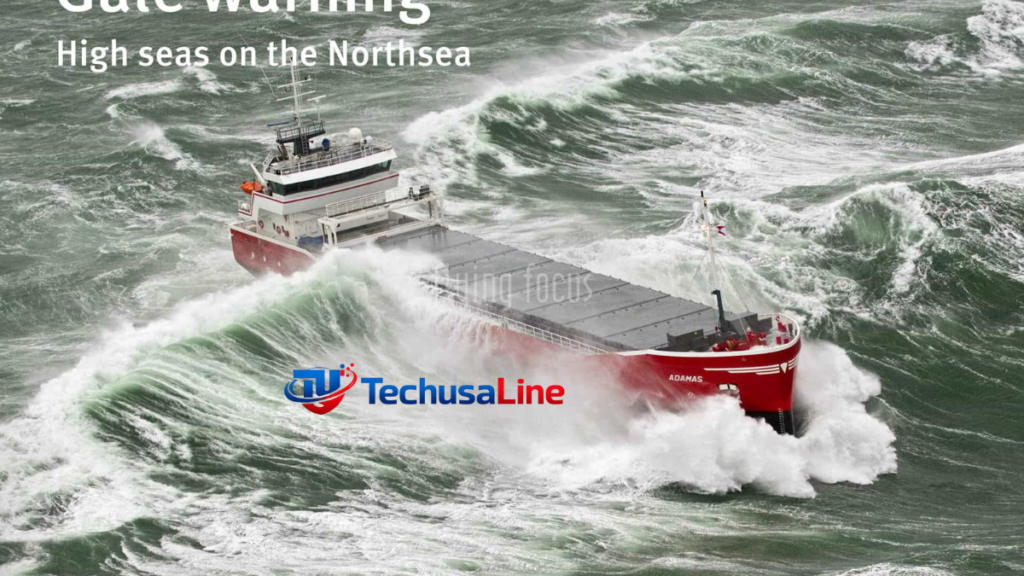
Meteorological agencies issue a gale warning when wind speeds reach a specific range, usually between 34 to 47 knots (approximately 63 to 87 km/h). These thresholds may vary slightly depending on the country or forecasting authority, but the general classification remains consistent. Winds within this range are strong enough to create difficult navigation conditions at sea and may cause damage on land, especially to weaker structures or temporary installations.
Gale conditions are often further categorized into moderate, fresh, or strong gales depending on intensity. This classification helps authorities communicate risk levels more clearly to the public and maritime operators. Advanced tools such as anemometers, weather satellites, and computer forecasting models are used to measure and predict wind behavior. These technologies allow meteorologists to provide early warnings and improve accuracy, giving people more time to prepare for incoming severe weather conditions.
Impacts of Gale Warnings on Daily Life
Gale warnings can have wide-ranging effects on daily life, especially in coastal and offshore regions. One of the most immediate impacts is on transportation. Air travel may experience delays or cancellations due to unsafe takeoff and landing conditions, while road travel can be affected by falling debris or reduced visibility. However, the most significant disruptions usually occur at sea, where strong winds can create hazardous waves and unstable navigation conditions.
Coastal communities are particularly vulnerable during gale events. Strong winds can damage buildings, uproot trees, and lead to power outages. Fishing activities are often suspended, and shipping operations may be delayed to prevent accidents. In addition, agricultural areas may suffer from crop damage due to persistent wind pressure. These impacts highlight the importance of taking gale warnings seriously, as they can quickly escalate from a weather advisory into a safety emergency if ignored.
Safety Measures and Preparedness During Gale Warnings
When a gale warning is issued, preparation becomes essential. Individuals living in affected areas should secure loose outdoor objects such as furniture, signs, or equipment that could become dangerous in strong winds. Windows and doors should be reinforced, and emergency supplies like food, water, and flashlights should be prepared in case of power outages. Staying indoors during peak wind activity is strongly recommended to reduce the risk of injury.
For those involved in marine activities, such as fishermen or sailors, following official warnings is critical. Boats should return to harbor before conditions worsen, and voyages should be postponed if possible. Authorities may also issue restrictions or advisories to prevent maritime travel during gale conditions. Preparedness not only reduces physical risk but also helps communities recover faster after severe weather events.
Gale Warning Forecasting and Weather Technology
Modern forecasting of gale warnings relies heavily on advanced technology. Satellites orbiting the Earth provide real-time images of cloud movements and storm formations, while radar systems track precipitation and wind patterns. These tools allow meteorologists to identify potential gale conditions before they fully develop, offering valuable lead time for warnings.
Computer-based weather models simulate atmospheric behavior using complex mathematical equations. These models analyze temperature, pressure, and humidity data to predict wind speed and direction. Although forecasting is highly advanced today, sudden changes in weather systems can still pose challenges. Continuous improvements in technology are helping increase accuracy and reduce uncertainty in predicting gale events.
Conclusion
Gale warnings play a vital role in protecting communities from the dangers of strong winds. They provide early alerts that allow individuals, businesses, and governments to take necessary precautions before severe conditions arrive. By understanding what gale warnings mean and how they form, people can respond more effectively and reduce potential risks. Awareness, preparation, and respect for weather advisories are key to staying safe during such natural events.