

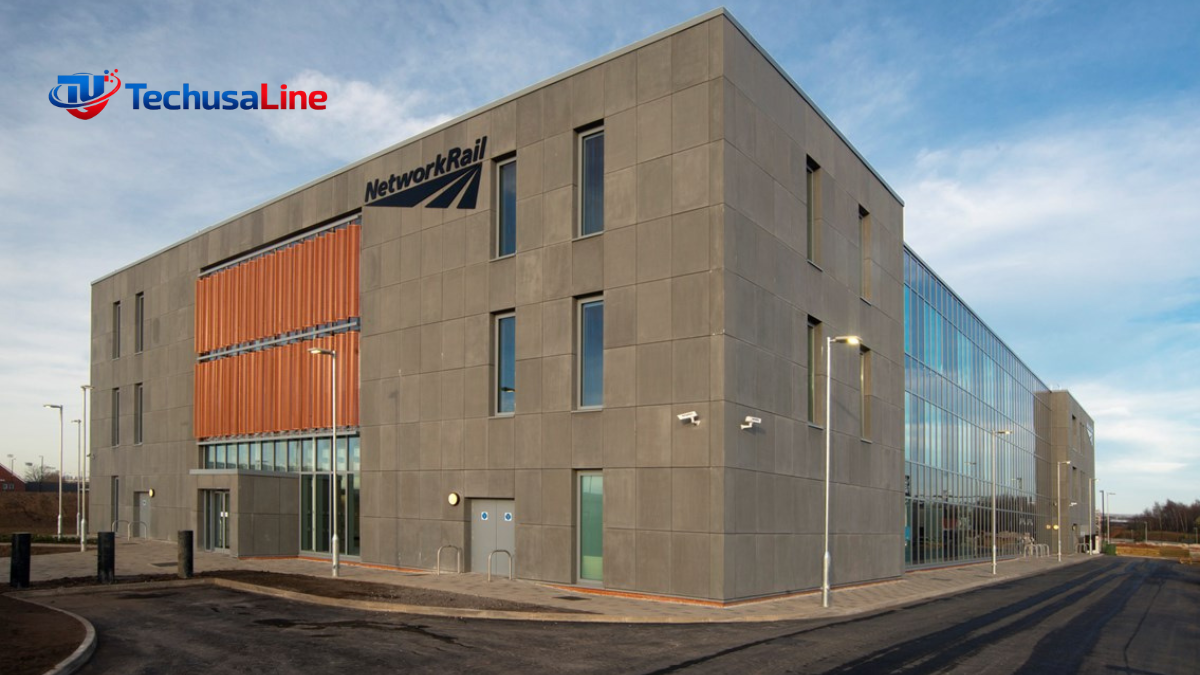
A Rail Operating Centre (ROC) is a centralized control hub responsible for managing and monitoring railway operations across a wide network. Instead of relying on multiple local signal boxes or small regional control rooms, modern rail systems now depend on ROCs to oversee train movements, signalling systems, and network coordination from one advanced facility. This transformation has significantly improved the safety, efficiency, and reliability of rail transportation.
At its core, a rail operating centre acts as the “brain” of the railway network. Operators inside the centre use advanced digital systems to track trains in real time, manage routes, and respond quickly to disruptions. Every train movement is carefully monitored to ensure smooth traffic flow and avoid delays or collisions. This centralized approach allows railway authorities to maintain better control over increasingly complex rail networks.
In addition to operational control, ROCs also play a critical role in passenger safety and communication. They coordinate with station staff, train drivers, and maintenance teams to ensure that any issue is handled immediately. Whether it is a technical fault, weather disruption, or emergency situation, the rail operating centre ensures that responses are fast, organized, and effective. This makes it a key pillar of modern railway infrastructure.
History and Evolution of Rail Operating Centres
The development of the rail operating centre is closely linked to the evolution of railway signalling systems. In the early days of rail transport, train operations were managed manually using mechanical signal boxes placed along railway lines. Signal operators would physically change track signals and points using levers, relying heavily on human judgment and communication.
As rail networks expanded, these local systems became inefficient and difficult to manage. This led to the introduction of regional control rooms, where larger sections of railway lines were monitored from a single location. Although this was an improvement, it still lacked full integration and real-time coordination across entire national networks.
The real transformation began with the introduction of digital signalling and computer-based control systems. These advancements allowed railway authorities to centralize operations even further, leading to the creation of modern Rail Operating Centres. These centres replaced hundreds of small signal boxes with a few highly advanced facilities capable of managing entire regions.
Today, ROCs represent the highest level of railway operational control. They combine decades of technological progress, from mechanical signalling to AI-powered traffic management systems. This evolution has not only improved efficiency but also significantly enhanced safety standards across global rail networks.
Core Functions of a Rail Operating Centre
A rail operating centre performs several essential functions that ensure smooth and safe railway operations. One of its primary responsibilities is train movement monitoring. Operators track the exact location of every train in real time using advanced digital systems, ensuring that schedules are maintained and potential conflicts are avoided.
Another critical function is signalling and route control. ROCs manage track signals and switching systems to guide trains safely from one point to another. By controlling these systems centrally, operators can quickly adjust routes in case of delays, maintenance work, or emergencies, reducing disruptions across the network.
Incident management is also a major responsibility of rail operating centres. When unexpected events such as accidents, technical failures, or weather-related disruptions occur, ROC teams coordinate immediate responses. They communicate with emergency services, dispatch maintenance crews, and adjust train schedules to minimize impact on passengers.
Additionally, ROCs handle timetable regulation and network optimization. They ensure that trains run according to schedule and make adjustments when delays occur. This involves coordinating multiple train services simultaneously and balancing network capacity to avoid congestion. Overall, these core functions make ROCs indispensable for modern railway systems.
Technology Used in Rail Operating Centres
Modern rail operating centres rely heavily on advanced technology to manage complex rail networks efficiently. One of the most important systems is digital signalling technology, such as the European Rail Traffic Management System (ERTMS). These systems allow real-time communication between trains and control centres, improving both safety and efficiency.
Real-time tracking systems are another essential component. Using GPS and sensor-based technologies, operators can monitor the exact position, speed, and direction of trains. This data is displayed on large digital screens within the control room, allowing staff to make informed decisions instantly.
Artificial intelligence and predictive analytics are also increasingly being used in ROCs. AI systems analyze traffic patterns and predict potential delays or disruptions before they occur. This allows operators to take proactive measures rather than reacting to problems after they happen.
Cybersecurity is another critical aspect of ROC technology. Since rail systems are highly dependent on digital infrastructure, protecting them from cyber threats is essential. Advanced security protocols ensure that operational systems remain safe from unauthorized access or attacks, maintaining the integrity of the entire rail network.
Structure and Layout of a Rail Operating Centre
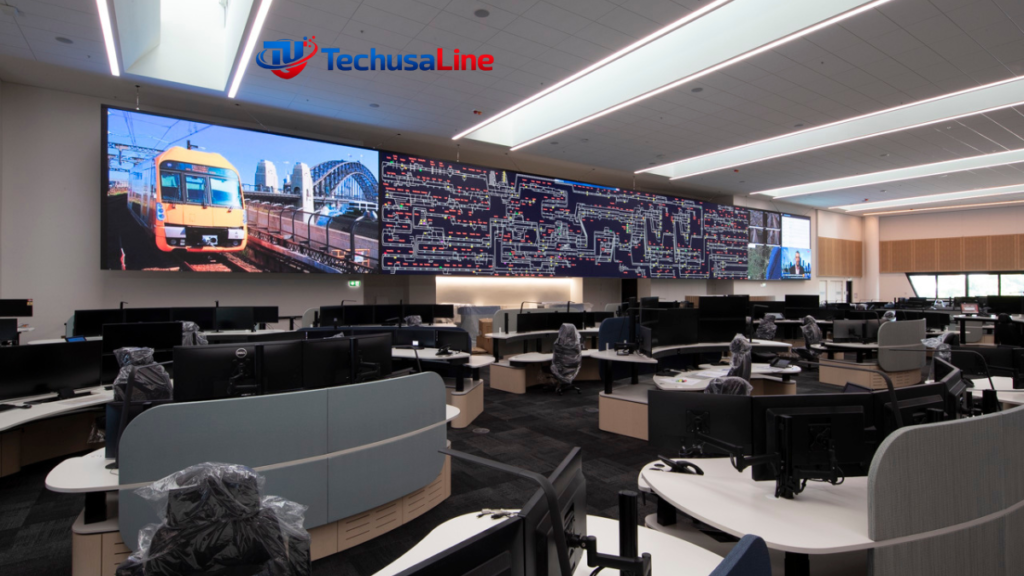
The physical structure of a rail operating centre is designed to support continuous, high-pressure operations. At the heart of the facility is the control room, where operators sit at workstations equipped with multiple monitors displaying real-time rail network data. These workstations are strategically arranged to allow teams to collaborate efficiently.
Large digital display walls are a defining feature of ROCs. These screens show live maps of the entire rail network, including train locations, signal statuses, and potential disruptions. This visual representation helps operators quickly understand the overall situation and respond accordingly.
The operational structure is typically divided into specialized teams. Some staff focus on signalling control, while others handle incident management, communication, or scheduling. This division of responsibilities ensures that every aspect of railway operations is managed effectively.
Rail operating centres are also designed for 24/7 operation. Shift systems ensure that trained personnel are always available to monitor and control the network. This continuous operation is essential for maintaining safety and reliability in large-scale railway systems.
Benefits of Rail Operating Centres
The introduction of the rail operating centre has brought significant improvements to railway systems worldwide. One of the most important benefits is enhanced safety. With centralized monitoring and advanced technology, the risk of human error is greatly reduced, leading to safer train operations.
Efficiency is another major advantage. ROCs allow for better coordination of train schedules, reducing delays and improving overall punctuality. By managing the entire network from a single location, railway authorities can optimize train movement and reduce congestion.
Cost savings also play a key role. Although the initial investment in ROCs is high, centralized operations reduce the need for multiple local control centres, lowering long-term operational costs. Maintenance and staffing become more streamlined as well.
Passengers also benefit from improved reliability and communication. When disruptions occur, ROCs can quickly adjust schedules and provide real-time updates, ensuring a smoother travel experience. Overall, these benefits make ROCs a vital part of modern transportation infrastructure.
Challenges Faced by Rail Operating Centres
Despite their advantages, rail operating centres also face several challenges. One of the biggest issues is the high cost of implementation and maintenance. Building advanced control systems and maintaining digital infrastructure requires significant financial investment.
Cybersecurity threats are another major concern. As rail systems become more digital, they also become more vulnerable to cyberattacks. Protecting sensitive operational data and ensuring system integrity is a continuous challenge for railway authorities.
Integration with older railway infrastructure can also be difficult. Many rail networks still rely on legacy systems, which may not be fully compatible with modern ROC technology. Upgrading these systems requires time, resources, and careful planning.
Additionally, ROCs depend heavily on highly trained staff. Operators must be skilled in both technical systems and decision-making under pressure. Recruiting and training such personnel is an ongoing challenge for railway organizations.
Future of Rail Operating Centres
The future of the rail operating centre is closely tied to advancements in automation and artificial intelligence. Future ROCs are expected to rely even more on AI-driven systems that can manage train movements with minimal human intervention. This will further improve efficiency and reduce operational errors.
Integration with smart city infrastructure is another key trend. Rail systems will increasingly connect with other forms of transportation, creating seamless travel networks. ROCs will play a central role in coordinating these integrated systems.
Predictive analytics and big data will also shape the future of railway operations. By analyzing large amounts of data, ROCs will be able to predict demand, prevent delays, and optimize schedules more accurately than ever before.
In the long term, fully autonomous train systems may become a reality, with ROCs acting as supervisory control centres. This evolution will continue to redefine how rail transportation is managed globally.
Conclusion
The rail operating centre represents a major advancement in railway management, bringing together technology, safety, and efficiency in one centralized system. From its historical roots in manual signalling to today’s AI-powered control rooms, it has transformed the way rail networks operate.
By improving coordination, reducing delays, and enhancing safety, ROCs have become essential to modern transportation infrastructure. As technology continues to evolve, their role will only become more important, shaping the future of global railway systems.