

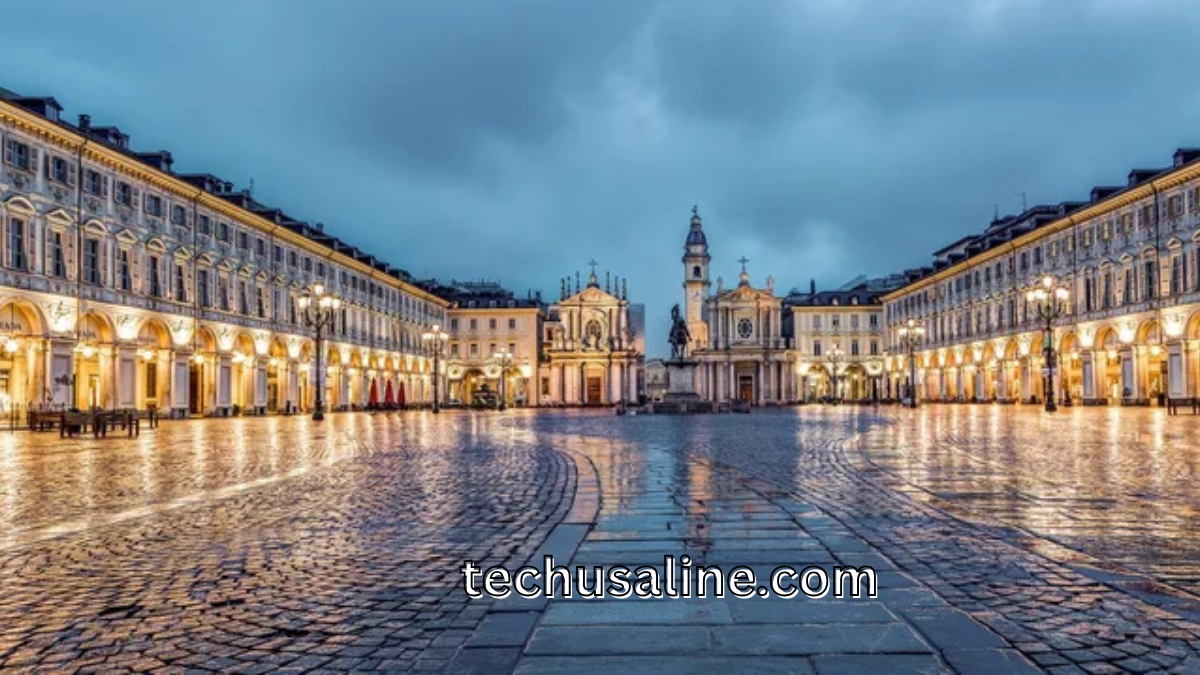
Turin Capital stands as one of the most influential cities in northern Italy. It plays a vital role in shaping the country’s industrial strength, economic performance, and cultural identity. Often recognized as a hub of innovation and manufacturing, Turin has long been associated with progress and development. Its reputation as a capital of industry goes beyond symbolism. It reflects decades of economic contribution and strategic importance within Italy and across Europe.
Geographically, Turin enjoys a strategic position near the Alps and close to key European markets. This location has strengthened trade routes and business expansion over time. Companies benefit from easy access to transportation networks, international borders, and major logistics channels. As a result, Turin Capital has become a preferred destination for industries looking to expand operations in a stable and connected environment.
Historically, the city has transformed from a royal capital into an industrial powerhouse. The transition was driven by strong manufacturing growth and business expansion in the automotive sector. Today, Turin balances tradition and modern innovation. It combines historical significance with advanced technology, research centers, and startup growth. This combination makes Turin Capital not only economically relevant but also forward-looking and competitive in the global market.
Historical Background of Turin Capital
Turin Capital has deep historical roots that shaped its identity as an important center of power and industry. In earlier centuries, Turin served as a royal capital for the House of Savoy. During that period, it played a major political role and influenced governance in the region. Its historical buildings, palaces, and urban layout still reflect its royal past and cultural prestige.
The Industrial Revolution marked a turning point for Turin Capital. During the late 19th and early 20th centuries, the city shifted from political prominence to industrial leadership. Factories were established, and production expanded rapidly. Manufacturing sectors, especially mechanical engineering and automotive production, started growing at an impressive pace. This industrial foundation laid the groundwork for future economic strength.
One of the most significant developments in Turin Capital history was the emergence of major automobile manufacturers. The growth of car production created employment opportunities and attracted workers from different regions. Over time, supply chains developed, supporting industries expanded, and technological research became integrated into manufacturing processes. Today, the historical industrial identity of Turin continues to influence its economic direction while adapting to modern global trends.
Economic Significance of Turin Capital
Turin Capital plays a crucial role in Italy’s economic structure. The city is widely known for its strong automotive industry, which remains one of its core economic pillars. Major global manufacturers and suppliers operate within the region, contributing significantly to production output and international trade. The automotive sector alone generates thousands of jobs and drives related industries such as parts manufacturing and logistics.
Beyond automotive production, technology and innovation sectors are expanding in Turin Capital. Research institutions, universities, and technology hubs encourage digital transformation and startup development. Entrepreneurs find support through business incubators and investment programs. This shift toward innovation strengthens economic resilience and reduces reliance on traditional manufacturing alone.
Finance and business services also contribute to the economic landscape. Companies offering consulting, banking, and professional services support both local and international enterprises. Investment opportunities remain attractive due to stable infrastructure and skilled labor availability. Employment trends show steady demand for engineers, technicians, IT specialists, and business professionals. As a result, Turin Capital continues to strengthen its position as a competitive economic center within Europe.
Culture, Tourism, and Infrastructure in Turin Capital
Turin Capital is not only about industry and business. It is also rich in culture, history, and tourism attractions. The city hosts impressive museums, historical landmarks, and architectural masterpieces that reflect its royal heritage. Visitors often explore palaces, historic squares, and religious monuments that showcase centuries of artistic development.
Tourism contributes significantly to the local economy. Travelers visit Turin Capital for cultural experiences, food traditions, and historical exploration. Major museums attract international tourists and academic researchers alike. Events, exhibitions, and cultural festivals further enhance tourism activity. This sector supports hospitality businesses, restaurants, and retail markets throughout the city.
Infrastructure development strengthens connectivity and economic performance. Turin Capital benefits from well-developed road networks, rail connections, and airport access. Public transportation allows efficient movement within the city and surrounding areas. Urban development projects focus on modernization, sustainability, and smart city solutions. Improved infrastructure ensures businesses operate smoothly while residents enjoy better living conditions. The combination of cultural richness and modern infrastructure makes Turin Capital a dynamic and attractive place for both visitors and investors.
Future Growth and Development of Turin Capital
The future of Turin Capital lies in innovation and sustainable development. Local authorities and private investors are focusing on smart city initiatives that integrate technology into urban management. Digital systems improve transportation efficiency, energy usage, and public services. These improvements enhance overall productivity and environmental sustainability.
Economic diversification is another key strategy for future growth. While manufacturing remains important, new industries such as renewable energy, artificial intelligence, and digital services are gaining attention. Supporting startups and research-based companies strengthens economic stability. Education institutions collaborate with businesses to develop skilled professionals who can contribute to these emerging sectors.
Sustainability projects also shape the development path of Turin Capital. Green energy investments, reduced emissions, and eco-friendly transportation solutions contribute to long-term resilience. By balancing industrial tradition with modern innovation, the city positions itself for continuous growth. With strong infrastructure, skilled labor, and strategic planning, Turin Capital is prepared to remain a major economic and cultural hub in the coming decades.
Conclusion
Turin Capital represents a powerful blend of history, industry, culture, and innovation. Its transformation from a royal political center into an industrial leader demonstrates adaptability and progress. The automotive sector, technology growth, and business expansion continue to define its economic importance.
At the same time, tourism and cultural heritage strengthen its global identity. Infrastructure development and smart city initiatives support sustainable growth and future competitiveness. Overall, Turin Capital remains one of the most significant cities in northern Italy, contributing strongly to national and European economic development while preserving its historical legacy.
FAQs
What makes Turin known as a capital in Italy?
Turin is known for its industrial strength, historical significance, and role as a major economic center in northern Italy.
Which industries dominate Turin Capital’s economy?
The automotive industry, technology sector, manufacturing, finance, and business services dominate its economy.
Is Turin Capital a good city for business investment?
Yes, it offers strong infrastructure, skilled labor, and industrial support, making it attractive for investors.
What are the top tourist attractions in Turin Capital?
Major museums, royal palaces, historic squares, and cultural landmarks attract tourists from around the world.
How is Turin Capital preparing for future growth?
It focuses on smart city development, economic diversification, sustainability projects, and innovation-driven expansion.
Also Read: marfa tx