

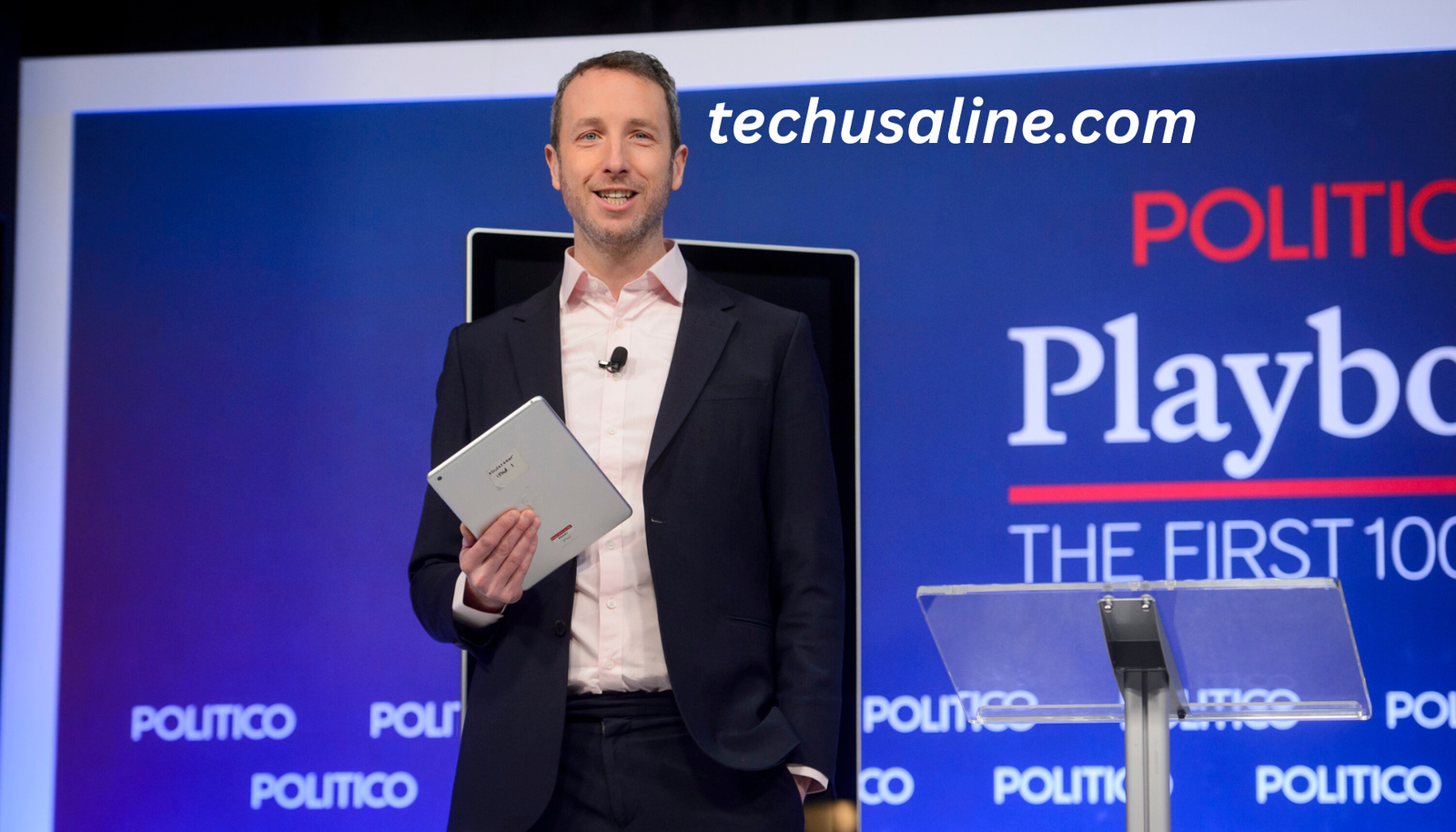
In the fast-paced world of political journalism, few publications hold as much sway as Politico Playbook. Produced by politico playbook, this daily newsletter has become a cornerstone of political communication, particularly in Washington, D.C. Delivered straight to inboxes early each morning, it provides a curated snapshot of the day’s most important political developments. From lawmakers to lobbyists, journalists to business leaders, Playbook has carved out a reputation as an essential read for anyone serious about understanding American politics.
What makes Politico Playbook stand out is not just its content, but its tone and accessibility. Unlike traditional news reports, it blends hard-hitting analysis with conversational storytelling, making complex political developments easier to digest. Readers get a mix of breaking news, insider gossip, policy updates, and strategic insights—all in one place. This unique format allows it to serve both as a briefing document and a narrative guide to the political landscape.
Over time, Politico Playbook has evolved into more than just a newsletter—it is a daily ritual for political insiders. Its influence extends far beyond its subscriber base, often shaping the broader media narrative. Stories that appear in Playbook frequently ripple across major news outlets, demonstrating its role as both a news aggregator and agenda setter in modern journalism.
The Origins and Evolution of Politico Playbook
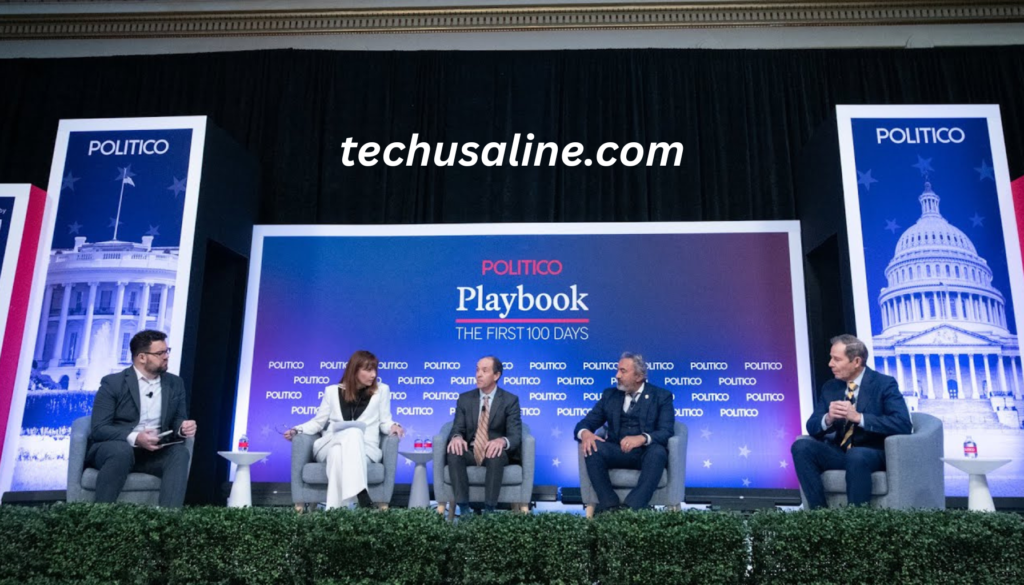
The story of Politico Playbook begins with its creator, Mike Allen, who launched the newsletter in 2007. At the time, the goal was simple: provide a concise yet comprehensive overview of the day’s political news before the workday began. Allen’s approach—combining speed, accuracy, and insider knowledge—quickly resonated with readers, particularly those working within the political ecosystem. His ability to break news and cultivate high-level sources helped establish Playbook as a trusted and influential platform.
As the newsletter gained popularity, it underwent several transformations. Leadership transitioned to prominent journalists such as Anna Palmer and Jake Sherman, who brought their own perspectives and expertise. Under their stewardship, Playbook expanded its coverage, refined its tone, and deepened its focus on Capitol Hill dynamics. This evolution ensured that the newsletter remained relevant in an ever-changing media environment.
The growth of Politico Playbook also reflects broader trends in digital journalism. As audiences increasingly turned to mobile devices and email-based content, Playbook capitalized on this shift by maintaining a consistent, reader-friendly format. It adapted to changing consumption habits without losing its core identity, proving that traditional journalism can thrive in a digital-first world.
Today, Politico Playbook stands as a model for modern newsletters. Its journey from a niche email briefing to a global political resource highlights the power of innovation, consistency, and editorial excellence in building a lasting media brand.
What is Inside Politico Playbook?
At its core, Politico Playbook is a meticulously curated digest of political news and analysis. Each edition typically begins with the most pressing stories of the day, offering readers a quick yet comprehensive overview of major developments. This is followed by deeper insights into legislative activity, campaign strategies, and policy debates. The newsletter’s structure is designed for efficiency, allowing readers to grasp essential information within minutes.
One of the defining features of Playbook is its insider perspective. Unlike traditional news outlets that rely heavily on official statements, Playbook often incorporates behind-the-scenes information gathered from well-placed sources. This gives readers a sense of what is happening beyond the headlines, including strategic decisions, political maneuvering, and internal party dynamics. Such insights are particularly valuable for those who need to stay ahead in a competitive political environment.
Another key element is its distinctive tone. Playbook blends professionalism with a conversational style, making it both informative and engaging. It avoids overly technical language while still delivering nuanced analysis. This balance ensures that the newsletter appeals to a wide audience, from seasoned policymakers to casual readers interested in politics.
Additionally, Politico Playbook frequently features exclusive stories and early reports. These exclusives often set the agenda for the day, influencing how other media outlets cover political events. By combining speed, depth, and originality, Playbook maintains its position as a leading source of political intelligence.
How Politico Playbook Shapes Political Discourse
Politico Playbook’s influence extends far beyond its immediate readership. In Washington, D.C., it is widely regarded as a must-read publication that helps shape the daily conversation. Lawmakers, staffers, and journalists often begin their day with Playbook, using it as a guide to understand key issues and anticipate upcoming developments. This widespread reliance amplifies its impact on political discourse.
One of the ways Playbook shapes the narrative is by prioritizing certain stories and angles. By highlighting specific topics, it directs attention toward issues that might otherwise receive less coverage. This agenda-setting function is a powerful tool, as it influences not only what people talk about but also how they think about it. In many cases, stories featured in Playbook quickly gain traction across other media platforms.
The newsletter also plays a role in connecting different segments of the political ecosystem. By providing a shared source of information, it creates a common ground for discussion among policymakers, journalists, and stakeholders. This interconnectedness fosters a more cohesive understanding of political events, even as opinions may differ.
However, with influence comes scrutiny. Critics argue that Playbook’s insider focus can sometimes reinforce existing power structures, giving more visibility to established voices. Despite these concerns, its ability to inform, engage, and shape conversations remains undeniable, solidifying its place as a key player in modern political journalism.
Strengths, Criticisms, and the Future of Politico Playbook
Politico Playbook’s strengths lie in its timeliness, accessibility, and insider access. It delivers news at a speed that matches the demands of modern readers, ensuring that subscribers are always informed about the latest developments. Its concise format makes it easy to consume, while its depth of reporting provides valuable context. These qualities have helped it maintain a loyal and influential audience.
At the same time, the newsletter is not without its criticisms. Some observers point to potential biases, arguing that its reliance on insider sources may lead to a narrow perspective. Others suggest that its focus on brevity can sometimes come at the expense of deeper analysis. These critiques highlight the challenges of balancing speed and depth in a competitive media landscape.
Looking ahead, the future of Politico Playbook appears promising. As digital journalism continues to evolve, newsletters are becoming an increasingly important medium for delivering news. Playbook is well-positioned to capitalize on this trend, thanks to its established brand and loyal readership. Innovations in format, distribution, and content could further enhance its relevance in the years to come.
Ultimately, Politico Playbook remains a powerful tool for understanding politics. Its ability to adapt, inform, and influence ensures that it will continue to play a central role in shaping political discourse for years to come.
Conclusion
Politico Playbook has transformed the way political news is consumed and understood. From its origins under Mike Allen to its current status as a leading newsletter by Politico, it has consistently delivered timely, insightful, and engaging content. Its influence on Washington’s political landscape is profound, shaping conversations and guiding decision-making processes.
FAQs
What is Politico Playbook?
Politico Playbook is a daily political newsletter that provides news, analysis, and insider insights into U.S. politics.
Who writes Politico Playbook?
It has been written by journalists like Mike Allen, Anna Palmer, and Jake Sherman, among others.
Is Politico Playbook free?
Yes, it is generally free to subscribe, though some premium Politico content may require payment.
Why is it influential?
Its insider access and early reporting help shape the daily political agenda in Washington.
How can I subscribe?
You can subscribe through the official website of Politico.
What topics does it cover?
It covers breaking news, policy updates, elections, and political strategy.
Is it biased?
Like all media, it may reflect certain perspectives, but it aims to provide balanced reporting.
Who reads Politico Playbook?
Politicians, journalists, lobbyists, and business leaders are among its primary audience.