

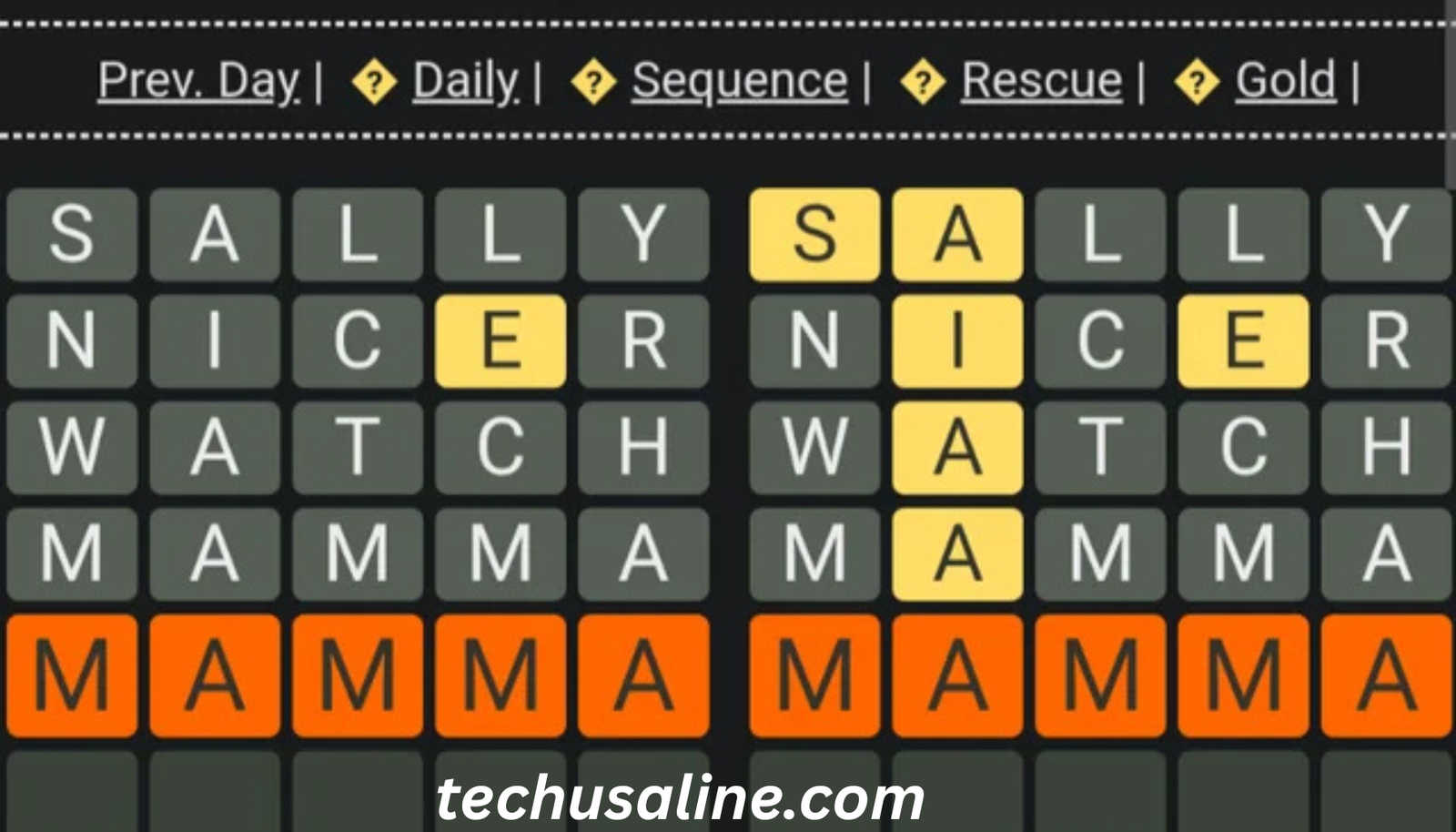
Octordle has quickly become a favorite among word game enthusiasts due to its challenging and engaging gameplay. Unlike standard word puzzles, Octordle requires players to solve eight words simultaneously, testing both vocabulary and strategic thinking. Within this complex framework, the concept of “Octordle Rescue” has emerged—a set of techniques aimed at salvaging games when players are stuck on multiple words.
Octordle Rescue is essential for players seeking to improve their success rate and maintain momentum, especially when the grids become overwhelming. It is not just about guessing words but about using logic, pattern recognition, and probability to make smarter guesses. Many players experience frustration when they are caught in a situation where one or more words seem impossible to solve. This is where rescue strategies come into play, offering a structured approach to turning potential failure into achievement.
By understanding the dynamics of Octordle Rescue, players can not only complete challenging puzzles but also enhance their critical thinking skills. This article is designed to equip both beginners and seasoned players with actionable strategies, practical tips, and advanced techniques to tackle the trickiest grids. With guidance from this comprehensive resource, you can transform Octordle from a game of chance into a showcase of skill and strategy.
Ultimately, mastering Octordle Rescue is about combining patience, observation, and clever letter analysis. Players who learn these skills often find themselves improving at other word games as well, making the process both rewarding and intellectually stimulating.
Understanding the Rules and Mechanics of Octordle
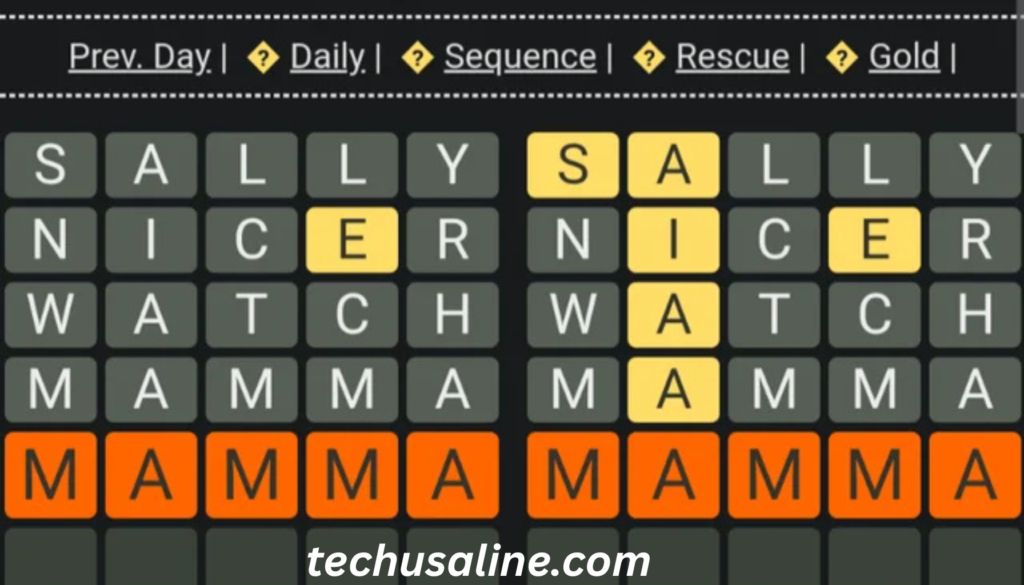
Before diving into rescue strategies, it’s crucial to understand Octordle’s basic mechanics. Players are presented with eight separate five-letter word grids, and the goal is to correctly identify all eight words in as few guesses as possible. Letters guessed in one grid can provide hints for other grids, so tracking overlaps and patterns is essential. The game provides color-coded feedback: green for correct letters in the correct position, yellow for correct letters in the wrong position, and gray for incorrect letters.
Unlike Wordle or Quordle, Octordle requires managing multiple words simultaneously, which increases the cognitive load. Players must keep mental notes or physical lists of letters, potential word matches, and remaining possibilities. This complexity makes it easy to get stuck, especially when several words share overlapping letters but no immediate pattern emerges. Rescue situations often occur when players run out of obvious guesses or make repeated incorrect attempts.
An important aspect of understanding Octordle Rescue is recognizing letter probability and frequency. For instance, vowels tend to appear more frequently across words, making them logical early guesses. Similarly, common consonants like R, S, T, and L can help unlock multiple grids at once. Players must analyze feedback strategically rather than relying solely on intuition.
Finally, players should also note that Octordle allows unlimited attempts, but minimizing guesses is key to improving performance. Mastering the rules and mechanics provides a foundation for successful rescue strategies, as it allows players to anticipate potential pitfalls and make informed decisions when words seem impossible to crack.
Common Challenges in Octordle Rescue
Despite its addictive nature, Octordle presents several challenges that can make rescues necessary. One of the most common difficulties is handling tricky letter combinations. Words with rare letters or multiple overlapping letters across grids can create confusion, causing players to guess incorrectly and waste valuable attempts.
Another challenge is time management across grids. Since all eight words progress simultaneously, focusing too much on one word can lead to neglecting others, ultimately increasing the likelihood of getting stuck. Many players underestimate the importance of balancing attention, especially when early guesses reveal partial patterns.
Psychological challenges also play a significant role. Frustration and overthinking can lead to repeated mistakes, slowing down progress and reducing accuracy. A calm, systematic approach is essential, as panic often leads to guesswork rather than strategy. Recognizing these psychological hurdles and learning to navigate them is a core component of Octordle Rescue.
Finally, understanding common pitfalls, such as overreliance on obvious word choices or ignoring potential letter positions, is essential. Many failed attempts occur because players fail to consider alternative letter placements or word possibilities. Recognizing these challenges in advance allows players to implement effective strategies for rescuing stuck grids and ultimately improve overall gameplay.
Proven Strategies for Octordle Rescue
Successful Octordle Rescue relies on structured, methodical strategies rather than random guessing. One of the most effective approaches is prioritizing words with the most known letters, which increases the likelihood of discovering additional letters for other grids. Players can also use letter frequency analysis, focusing on vowels and commonly used consonants to uncover hidden patterns.
Another critical strategy is cross-grid analysis. Letters revealed in one word often appear in others, so carefully tracking overlaps can provide significant advantages. For instance, if “E” is confirmed in one grid, checking potential positions in other grids can save guesses and time. Using tools like spreadsheets or note-taking apps can enhance this process for meticulous players.
For those stuck on particularly difficult words, employing pattern recognition is invaluable. Recognizing common word structures or suffixes (like -ING, -ED, -ER) can help narrow down options. Additionally, incorporating strategic guesses that test multiple letters simultaneously allows players to maximize the value of each attempt.
Visualizing past rescue successes can also help. By studying previously solved puzzles, players can identify recurring patterns and techniques that worked in similar situations. This reflection not only builds confidence but also sharpens problem-solving skills for future Octordle Rescue scenarios.
Advanced Tips and Expert Tricks
For players looking to elevate their game, advanced techniques can make a substantial difference in rescue situations. One such method involves analyzing letter positional probability. Certain letters are more likely to appear in specific positions within words, and leveraging this knowledge can reduce guesswork.
Experts also emphasize the importance of planning early. Even in the first few guesses, anticipating potential rescue scenarios allows for smoother problem-solving later in the game. Advanced players often balance immediate word completion with long-term strategy, ensuring that each guess serves multiple grids.
Another expert tip is to avoid overcommitting to one grid. Diversifying guesses across multiple words ensures that you gather maximum information per attempt. Maintaining this balance helps prevent panic when several words seem unsolvable simultaneously.
Finally, learning from mistakes is critical. Recording tricky words, failed attempts, and successful rescue strategies builds a personal reference library, which improves both speed and accuracy over time. Combining analytical thinking, pattern recognition, and strategic foresight separates casual players from expert Octordle rescuers.
Practice Exercises and Simulation
Like any skill, Octordle Rescue improves with deliberate practice. Players can simulate rescue situations by intentionally starting puzzles with minimal hints and attempting to solve all grids with limited guesses. This method trains the mind to prioritize letter frequency, track patterns, and manage stress under pressure.
Mini-games and drills can also help. For example, players can practice guessing vowels in a set of random words or focus solely on consonant-heavy grids. Regularly challenging yourself in controlled practice environments strengthens pattern recognition and strategic thinking.
Daily Octordle puzzles are another valuable training tool. By reviewing past puzzles, players can identify recurring letter combinations and word structures. Over time, this builds intuition, allowing for quicker rescues and more confident gameplay.
Consistency is key. Even a few minutes of practice per day can improve decision-making speed, accuracy, and resilience during real rescue scenarios. Combining structured practice with reflective review ensures continuous improvement in Octordle Rescue skills.
Conclusion
Octordle Rescue is more than just a tactical approach—it’s a mental framework that transforms frustrating grid situations into opportunities for strategic mastery. By understanding the mechanics, recognizing challenges, and employing structured strategies, players can rescue even the most difficult puzzles with confidence.
FAQs
What is Octordle Rescue?
Octordle Rescue refers to strategies used to solve difficult puzzles when multiple words are challenging or seemingly impossible to guess.
How do I improve my chances of rescuing multiple words?
Use letter frequency analysis, cross-grid tracking, and strategic pattern recognition to maximize information from each guess.
Are there tools that can help with Octordle Rescue?
Yes, note-taking apps, spreadsheets, and online word-solving tools can assist with tracking letters and potential word combinations.
What common mistakes should I avoid in rescue situations?
Avoid overcommitting to one grid, making random guesses, and ignoring alternative letter placements across multiple words.
How long does it take to master Octordle Rescue strategies?
With consistent practice and structured study, most players can significantly improve within a few weeks, though mastery may take several months of experience.