

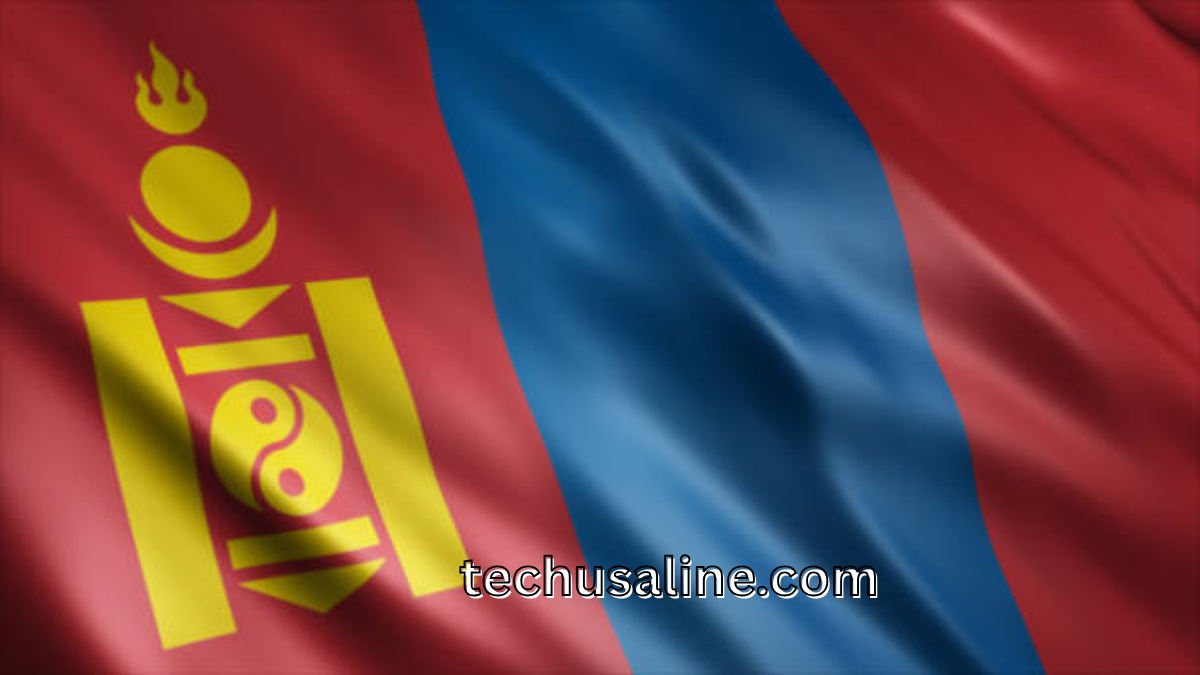
The Mongolia flag stands as a powerful symbol of national pride, independence, and cultural heritage. Its bold colors and unique emblem instantly represent the identity of Mongolia on the global stage. Every element on the flag carries deep meaning, reflecting the country’s history, traditions, and spiritual beliefs. It is not just a piece of fabric but a visual story of resilience and unity.
The design consists of three vertical bands in red, blue, and red, with the traditional Soyombo symbol placed prominently on the hoist-side red stripe. This structure makes the flag instantly recognizable. The blue band in the center symbolizes the eternal sky, which holds great significance in Mongolian culture. The red stripes represent strength and progress. Together, these colors create a balanced and meaningful design.
Beyond aesthetics, the Mongolia flag represents the journey of the nation through centuries of change. It reflects periods of empire, political transformation, and modern independence. The incorporation of the Soyombo symbol further deepens its cultural value. This emblem has existed for centuries and remains a sacred representation of freedom and sovereignty. The flag continues to inspire patriotism among citizens and respect from international communities.
History and Evolution of the Mongolia Flag
The history of the Mongolia flag is closely tied to the country’s political and social transformation. Before adopting its modern form, Mongolia used various flags influenced by different ruling systems and historical periods. During the time of the Mongol Empire, banners and symbols reflected tribal unity and military strength rather than a standardized national flag.
In the 20th century, Mongolia underwent major political changes that influenced its national symbols. The establishment of the Mongolian People’s Republic introduced new designs that aligned with socialist ideology. Over time, modifications were made to incorporate traditional cultural symbols while maintaining political representation. These adjustments reflected the evolving identity of the nation.
The current version of the Mongolia flag was officially adopted in 1992 after democratic reforms. This change followed the peaceful transition from a socialist system to a democratic government. The updated design preserved the traditional red and blue colors while emphasizing the historic Soyombo symbol. The decision demonstrated respect for heritage while embracing modernization. Today, the flag represents independence, national unity, and democratic values.
Design Elements and Symbolism of the Mongolia Flag
The design of the Mongolia flag is rich with symbolic meaning. The three vertical stripes create a visually striking pattern that is simple yet powerful. Red appears on both sides of the flag, framing the blue center. The choice of colors is not accidental but rooted in cultural beliefs and historical tradition.
Red symbolizes strength, progress, and determination. It reflects the courage of the Mongolian people throughout history. The color also represents vitality and national development. Blue, placed in the center, signifies the eternal sky. In Mongolian tradition, the sky holds spiritual importance and is associated with freedom and continuity. This combination of red and blue creates harmony between power and peace.
The most significant feature of the flag is the Soyombo symbol. This ancient emblem includes multiple elements stacked vertically. The fire symbol at the top represents growth, prosperity, and continuity across generations. Below it, the sun and moon symbolize eternity and national endurance. Geometric shapes within the symbol reflect stability, protection, and unity. Each detail carries deep philosophical meaning and connects modern Mongolia with its historical roots. The presence of the Soyombo makes the flag unique and culturally powerful.
Protocol, Usage and National Importance
The Mongolia flag is treated with respect and honor across the country. There are official regulations governing its display to ensure proper usage. Government institutions, schools, and public buildings often display the flag as a symbol of authority and national pride. It is also raised during national holidays and major celebrations.
Proper etiquette requires the flag to be handled carefully. It should not touch the ground or be displayed in damaged condition. When used in ceremonies, it must be positioned correctly and treated with dignity. These guidelines reinforce respect for the country’s sovereignty and values.
International events also highlight the importance of the flag. During global sports competitions and diplomatic gatherings, the Mongolia flag represents the nation among other countries. It serves as a visual ambassador of culture and identity. Citizens feel a strong emotional connection when they see it raised abroad. This symbolism strengthens unity and reminds people of shared heritage.
Interesting Facts About the Mongolia Flag
The Mongolia flag stands out because of its meaningful design and historical depth. One interesting fact is that the Soyombo symbol predates the current flag and has been used in Mongolian script and national emblems for centuries. Its inclusion connects modern governance with ancient tradition.
Another notable aspect is the simplicity of its color structure combined with complex symbolism. Many national flags use stars or abstract shapes, but Mongolia incorporates a deeply philosophical emblem rooted in spirituality. This makes it both visually appealing and culturally significant.
Compared to other national flags, Mongolia’s design is distinctive due to the vertical layout and detailed symbolic representation. The balance between traditional identity and modern political meaning makes it unique. These characteristics contribute to its recognition and respect worldwide.
Conclusion
The Mongolia flag is more than a national symbol. It represents history, culture, independence, and unity. Through its red and blue colors and the powerful Soyombo emblem, it tells the story of a nation that values heritage while embracing progress. Every element carries meaning that reflects the spirit of the Mongolian people.
From its historical evolution to its present-day significance, the flag remains a central part of national identity. It is displayed with pride during ceremonies, respected in public spaces, and honored in international representation. Its design ensures that tradition and modern values coexist in harmony.
As Mongolia continues to grow and evolve, its flag will remain a strong reminder of shared history and collective aspirations.
FAQs About the Mongolia Flag
What do the colors on the Mongolia flag represent?
Red symbolizes strength and progress, while blue represents the eternal sky and freedom.
What is the meaning of the Soyombo symbol?
It represents fire, sun, moon, stability, protection, and national unity.
When was the current Mongolia flag adopted?
The current design was officially adopted in 1992 after democratic reforms.
Has the Mongolia flag changed over time?
Yes, it has evolved through different political periods and design updates.
Where is the Mongolia flag commonly displayed?
It is displayed at government buildings, schools, national events, and international ceremonies.
Also Read: campeche