

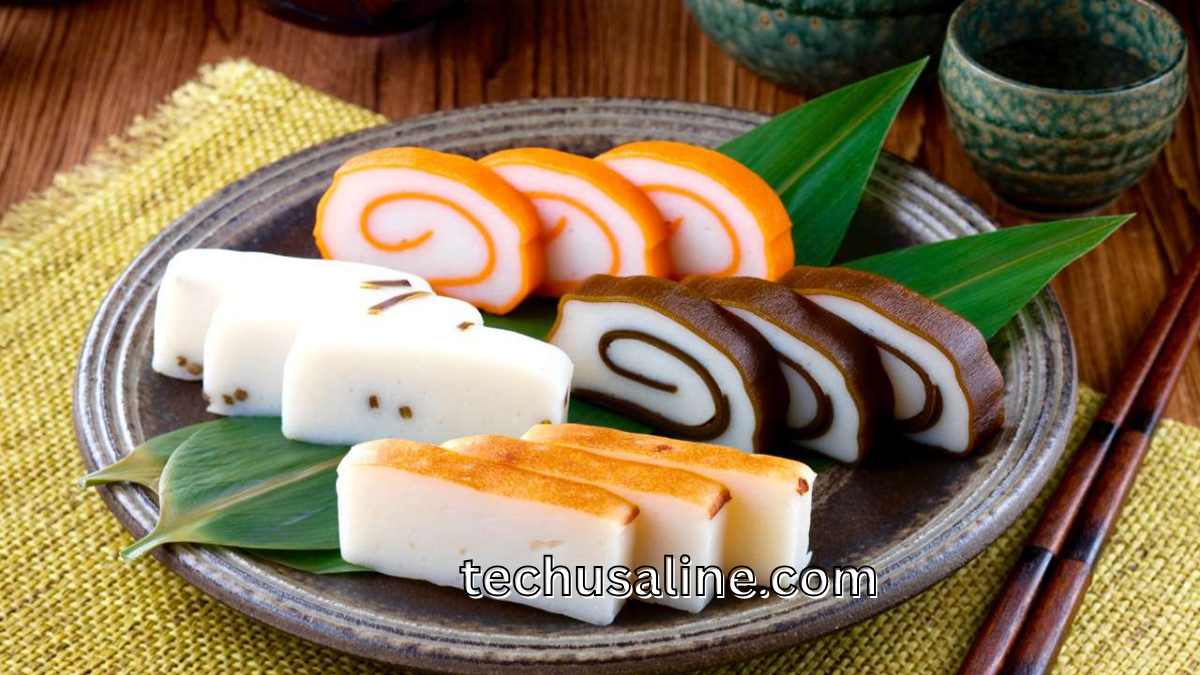
Kamaboko is one of the most recognized traditional foods in Japanese cuisine. It is a processed fish cake made from finely ground white fish that is seasoned, shaped, and cooked to create a firm yet delicate texture. For centuries, this ingredient has played an important role in daily meals, festive dishes, and cultural celebrations across Japan. Today, it is also gaining popularity worldwide as more people explore authentic Japanese food.
The significance of Kamaboko goes beyond its taste. It represents Japanese culinary tradition, craftsmanship, and attention to detail. Artisans carefully prepare the fish paste, shape it into beautiful forms, and cook it using methods that preserve both flavor and texture. Its simple ingredients combined with precise preparation make it both traditional and versatile.
Another reason Kamaboko remains popular is its adaptability. It appears in ramen bowls, sushi platters, soups, and bento boxes. Modern chefs also experiment with flavors and presentation styles. This guide explores its history, types, nutritional value, preparation methods, and practical tips so readers gain a complete understanding of this unique food.
History and Origins of Kamaboko
Kamaboko has deep historical roots in Japanese food culture. Records suggest that similar fish-based preparations existed as early as the Heian period. Over time, the technique evolved as fishermen and cooks developed better ways to preserve fish and create longer-lasting products. The development of steaming and shaping methods contributed significantly to what we now recognize as modern Kamaboko.
During the Edo period, Kamaboko became more widespread among common people. Improved fishing practices and food processing techniques made it accessible beyond elite households. It gradually became part of everyday meals as well as special occasions. Its popularity grew because fish was abundant in Japan, and transforming it into a preserved form extended its shelf life.
In modern times, production expanded from small traditional workshops to large-scale food industries. Advanced machinery improved consistency while preserving authenticity. Despite modernization, many producers still follow traditional methods to maintain quality. Today, Kamaboko is not only consumed in Japan but also exported globally, representing a key element of Japanese culinary heritage.
Types, Ingredients, and Production Process of Kamaboko
Common Types of Kamaboko
There are several types of Kamaboko available in markets today. Steamed Kamaboko is the most traditional form, characterized by its smooth texture and firm structure. It is usually shaped into a semi-circular loaf and sliced before serving. Its mild taste makes it suitable for various dishes.
Grilled Kamaboko is another popular variety. After steaming, it undergoes a grilling process that enhances its flavor and adds a slightly smoky aroma. This type often has a firmer surface and a richer taste profile. Some regional versions include additional seasoning or coloring to create distinct appearances.
Naruto-style Kamaboko is easily recognizable due to its spiral pattern. It is commonly used as a decorative topping in ramen. Its bright colors and unique design make dishes visually appealing. Regional variations also exist, where local fish species and traditional methods influence taste and texture.
Key Ingredients Used
The primary ingredient in Kamaboko is white fish paste known as surimi. Common fish varieties include pollock and other mild-flavored white fish. The fish is cleaned, deboned, and ground into a smooth paste before further processing.
Additional ingredients typically include salt, sugar, starch, and sometimes egg whites. These components improve texture, stability, and taste. Some modern products incorporate flavor enhancers or natural coloring to create variety. However, authentic versions focus on maintaining simplicity and preserving the natural flavor of fish.
How Kamaboko Is Made
The production process begins with preparing high-quality fish. The fish meat is washed repeatedly to remove impurities and fat. It is then ground into a smooth paste and mixed with seasonings. This mixture is kneaded thoroughly to achieve elasticity.
After preparation, the paste is shaped into molds. Traditional shapes include semi-circles or logs, while modern variations may feature creative designs. The shaped product is steamed or grilled at controlled temperatures to ensure proper cooking and texture formation.
Quality control plays a vital role during production. Manufacturers inspect texture, taste, and appearance before packaging. Proper processing ensures safety and consistency, making Kamaboko suitable for both local consumption and international export.
Nutritional Value, Health Benefits, and Culinary Uses
Nutritional Profile
Kamaboko is considered a relatively healthy food option due to its high protein content. Since it is made primarily from fish, it contains essential amino acids that support muscle development and body repair. It provides a nutritious alternative to processed meat products.
The calorie content is moderate, making it suitable for balanced diets. It generally contains low fat compared to fried foods or heavily processed snacks. Some versions may include added starch or flavorings, but overall it remains a lean protein source.
It also contains small amounts of vitamins and minerals naturally found in fish. These nutrients contribute to overall health and support bodily functions. However, consumers should check labels for sodium levels, as some products may contain added salt.
Health Benefits
One of the main benefits of Kamaboko is its protein density. Protein supports muscle maintenance and helps individuals feel full for longer periods. This makes it useful for people looking to manage weight or maintain an active lifestyle.
Another advantage is its low-fat content. Unlike many processed meat products, it does not rely heavily on saturated fats. This characteristic makes it a better option for heart-conscious diets when consumed in moderation.
Additionally, because it is made from fish, it contains beneficial nutrients associated with seafood consumption. Including it in meals can contribute to a diversified and balanced diet.
Popular Culinary Uses
Kamaboko is widely used in Japanese dishes. It is commonly added to ramen bowls as a topping. Thin slices float in broth, enhancing both flavor and presentation.
It also appears in sushi and bento boxes. Its colorful appearance makes meals visually appealing. In soups and hot pot dishes, it absorbs broth flavors while maintaining its texture.
Modern chefs experiment with creative recipes. Some use it in sandwiches, salads, or fusion dishes. Its mild taste allows it to blend easily with different ingredients, making it versatile for home cooks and professional kitchens.
Buying, Storing, and Serving Tips for Kamaboko
How to Choose Quality Kamaboko
When buying Kamaboko, checking freshness is essential. Consumers should examine packaging dates and storage conditions. Fresh products usually have a firm texture and a clean fish aroma.
Reading ingredient labels helps identify quality. Products with fewer artificial additives often indicate traditional preparation methods. Recognizing authentic brands ensures better taste and reliability.
Appearance also matters. Smooth surfaces and consistent color reflect good processing standards. Any discoloration or unusual smell may indicate poor storage or quality issues.
Proper Storage Methods
Kamaboko should be stored in a refrigerator after purchase. Keeping it at low temperatures preserves freshness and prevents spoilage. It should be sealed properly to avoid exposure to air.
Freezing is possible for longer storage. However, freezing may slightly change its texture. Thawing should be done gradually in the refrigerator to maintain quality.
Consumers should always follow expiration dates and storage instructions printed on packaging to ensure safety.
Serving Suggestions
Traditional serving styles include slicing it thinly and placing it alongside rice or noodles. Decorative cuts can enhance presentation. Many households serve it during festivals and celebrations.
It pairs well with soy sauce, wasabi, or simple dipping sauces. Combining it with vegetables and soups creates balanced meals.
Creative plating ideas make dishes more attractive. Using different shapes and colors adds visual interest, especially for special occasions.
Conclusion
Kamaboko stands as an important element of Japanese culinary tradition. From its historical origins to modern production techniques, it has evolved while maintaining its cultural significance. Its simple ingredients, careful preparation, and versatile applications make it a beloved food product both locally and internationally.
Nutritionally, it offers high protein content with relatively low fat, making it suitable for balanced diets. In cooking, it adapts easily to various dishes, from traditional ramen to modern fusion cuisine. Understanding its types, preparation methods, and storage tips helps consumers appreciate its value.
As global interest in Japanese food continues to grow, Kamaboko remains a symbol of tradition and craftsmanship. Its lasting popularity proves that simple ingredients combined with skillful preparation can create timeless culinary appeal.
FAQs
What is Kamaboko made from?
It is made mainly from processed white fish paste mixed with seasonings and shaped before cooking.
Is Kamaboko healthy to eat?
Yes, it is high in protein and generally low in fat when consumed in moderation.
How is Kamaboko different from surimi?
Surimi is the raw fish paste, while Kamaboko is the cooked and shaped product.
Can Kamaboko be frozen for later use?
Yes, it can be frozen, but thawing should be done slowly to preserve texture.
Where can I buy authentic Kamaboko?
It is available in Japanese grocery stores, Asian markets, and online specialty food shops.
Also Read: turin capital