

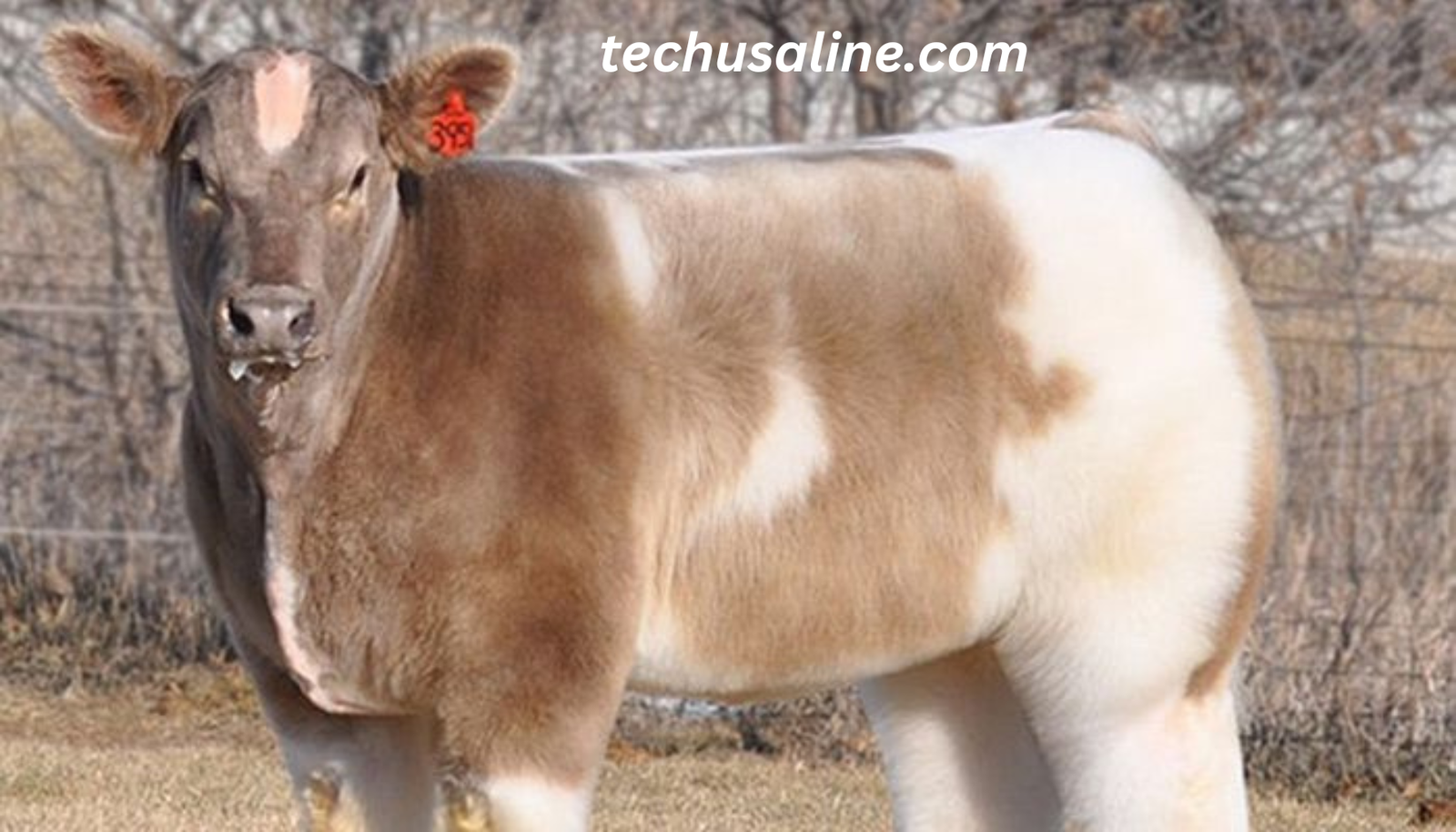
The term “fluffy cow” has taken the internet by storm, capturing the hearts of animal lovers, farmers, and casual social media users alike. These charming creatures, with their long, shaggy coats and gentle expressions, seem almost too adorable to be real. However, the fluffy cow is not a fictional creation—it is most commonly associated with the remarkable Highland cattle, a hardy and ancient breed known for its resilience and unique appearance.
Originating in the rugged landscapes of Scotland, these cows have evolved to thrive in harsh climates where other breeds might struggle. Their thick coats are not just for show—they serve a practical purpose, allowing them to withstand cold winds, rain, and snow. Over time, their distinctive look has made them a favorite subject for photographers and animal enthusiasts worldwide, boosting their popularity far beyond traditional farming communities.
In this comprehensive guide, we will explore everything you need to know about fluffy cows. From their origins and physical traits to their care requirements and growing role in modern culture, this article will provide a deep and engaging look into why these animals are so special. Whether you are a curious reader or considering raising one yourself, you’ll find valuable insights here.
What Is a Fluffy Cow?
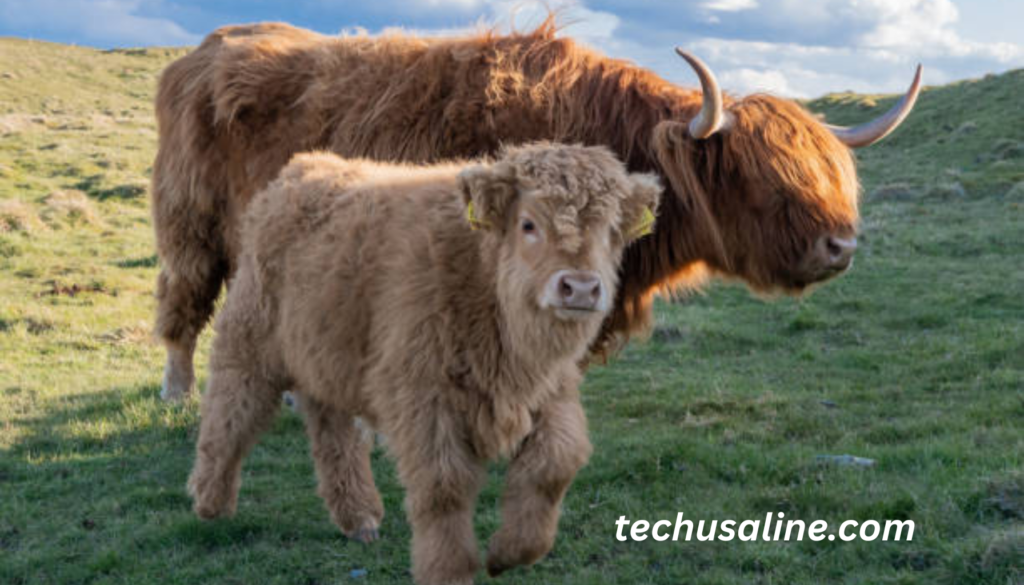
A “fluffy cow” is not a scientific classification but rather a nickname given to cattle with exceptionally thick and long hair. The most well-known example is the Highland cattle, which is famous for its double-layered coat and iconic horns. This breed has existed for centuries and is one of the oldest registered cattle breeds in the world, reflecting both tradition and adaptation.
The defining feature of fluffy cows is their luxurious coat, which consists of a soft underlayer and a coarse outer layer. This combination provides insulation against extreme weather conditions, making them particularly suited for colder regions. Their hair often covers their eyes, giving them a distinctive, almost cartoon-like appearance that adds to their charm.
Another notable characteristic is their variety of colors. Fluffy cows can be found in shades such as red, black, yellow, and even silver. This diversity enhances their visual appeal and contributes to their popularity among photographers and farmers alike. Their long horns, which curve outward and upward, further distinguish them from other cattle breeds.
Ultimately, what makes fluffy cows so captivating is the perfect blend of function and beauty. Their physical traits are not just aesthetically pleasing but also serve important survival purposes. This balance between practicality and charm is a key reason why they continue to fascinate people around the world.
Types and Breeds of Fluffy Cows
While the Highland cattle is the most iconic fluffy cow, there are several variations and related breeds that share similar characteristics. Among these, miniature Highland cows have gained significant popularity in recent years. These smaller versions retain the same fluffy coat and gentle demeanor but require less space and resources, making them appealing for hobby farmers and small-scale operations.
Miniature fluffy cows are often bred selectively to maintain their compact size while preserving their distinctive features. They are particularly popular as pets or attractions on small farms, where their adorable appearance draws visitors. Despite their smaller stature, they still possess the hardy nature of their larger counterparts, making them relatively easy to care for.
In addition to purebred Highland cattle, there are also crossbreeds that exhibit a fluffy appearance. These hybrids may combine traits from different cattle breeds, resulting in unique combinations of size, coat texture, and coloration. However, not all fluffy-looking cows are true Highland cattle, and it’s important to understand the differences when considering ownership or breeding.
The diversity within fluffy cows highlights their adaptability and widespread appeal. Whether full-sized or miniature, purebred or crossbred, these animals continue to capture attention for their beauty and versatility. Their growing popularity has also encouraged more farmers to explore breeding programs that emphasize both aesthetics and practicality.
Habitat, Diet, and Lifestyle
Fluffy cows are remarkably adaptable animals, capable of thriving in a variety of environments. Originally bred in the rugged Highlands of Scotland, they are well-suited to cold, wet climates. Their thick coats provide natural insulation, allowing them to remain comfortable even in freezing temperatures. Unlike many other cattle breeds, they do not require extensive shelter, making them a low-maintenance option for farmers in colder regions.
Their diet is another factor that contributes to their resilience. Fluffy cows primarily feed on grass, hay, and other natural forage. They are efficient grazers and can survive on rough vegetation that might not sustain other breeds. This ability makes them particularly valuable in areas with limited resources, as they can convert low-quality forage into high-quality meat and milk.
Behaviorally, fluffy cows are known for their calm and friendly temperament. They are generally easy to handle and interact well with humans, which is one reason they are often featured in petting zoos and agritourism ventures. Their docile nature also makes them suitable for beginner farmers who may not have extensive experience with livestock.
Overall, the lifestyle of fluffy cows reflects a balance between independence and adaptability. They require less intensive care than many other breeds while still offering significant benefits. This combination of traits makes them an attractive choice for both traditional farming and modern, small-scale agricultural practices.
Care and Maintenance of Fluffy Cows
Despite their rugged nature, fluffy cows do require proper care to ensure their health and well-being. One common misconception is that their long hair needs frequent grooming. In reality, their coat is largely self-maintaining. However, occasional brushing can help remove dirt and prevent matting, especially in warmer climates where their thick fur may become uncomfortable.
Health care is another important aspect of maintaining fluffy cows. Like all livestock, they require regular veterinary check-ups, vaccinations, and parasite control. Fortunately, Highland cattle are known for their strong immune systems and resistance to many common diseases, which reduces the overall burden of medical care.
Space and shelter requirements are relatively minimal compared to other cattle breeds. Fluffy cows can thrive on open pastureland and do not require elaborate housing. However, providing basic shelter from extreme weather conditions, such as heavy rain or intense heat, is still essential for their comfort and safety.
In summary, caring for fluffy cows is relatively straightforward, especially for those familiar with livestock management. Their low-maintenance nature, combined with their resilience, makes them an excellent choice for farmers seeking a hardy and reliable breed. With proper care, these animals can live long, healthy lives while providing both economic and emotional value.
Economic and Farming Value
Fluffy cows are not just visually appealing—they also offer significant economic benefits. One of the primary advantages of raising Highland cattle is the quality of their meat. Highland beef is known for being lean, flavorful, and lower in cholesterol compared to other types of beef, making it highly desirable in the market.
In addition to meat production, fluffy cows are increasingly valued for their role in agritourism. Farms that feature these animals often attract visitors who are eager to see and interact with them. This can create additional revenue streams through farm tours, petting zoos, and social media content, where their photogenic nature shines.
The cost of owning a fluffy cow can vary depending on factors such as breed, size, and location. Initial purchase prices may be higher than average cattle, especially for miniature or pedigree animals. However, their low maintenance costs and adaptability often offset this initial investment over time.
Ultimately, fluffy cows represent a unique combination of practicality and charm. They provide tangible economic benefits while also enhancing the overall appeal of a farm. This dual value has contributed to their growing popularity among both traditional farmers and modern agricultural entrepreneurs.
Fluffy Cows in Popular Culture and Social Media
In recent years, fluffy cows have become internet sensations. Their adorable appearance, characterized by long bangs and fluffy coats, makes them perfect subjects for viral photos and videos. Social media platforms are filled with images of these cows, often accompanied by captions highlighting their cuteness and gentle nature.
This online popularity has had a tangible impact on farming trends. More people are becoming interested in raising fluffy cows, not just for agricultural purposes but also for personal enjoyment and content creation. The rise of hobby farming and sustainable living movements has further fueled this interest.
Beyond social media, fluffy cows have also appeared in various forms of media, including advertisements and documentaries. Their unique look makes them instantly recognizable and appealing to a wide audience. This cultural presence has helped elevate their status from a niche breed to a global phenomenon.
In essence, fluffy cows are more than just farm animals—they are cultural icons. Their ability to capture attention and evoke positive emotions has made them a beloved part of modern media and agriculture alike.
Conclusion
Fluffy cows, particularly the Highland cattle, are a remarkable blend of beauty, resilience, and practicality. Their unique appearance, combined with their adaptability and gentle nature, makes them stand out among cattle breeds. From their origins in the Scottish Highlands to their current status as social media stars, these animals have captured the imagination of people around the world.
FAQs
What breed is commonly called a fluffy cow?
The Highland cattle is the most common breed referred to as a fluffy cow.
Are fluffy cows good as pets?
Yes, especially miniature Highland cows, due to their calm temperament.
How much does a fluffy cow cost?
Prices vary but can range from moderate to high depending on breed and size.
Do fluffy cows need special grooming?
Not extensively, though occasional brushing is beneficial.
Can fluffy cows survive in hot climates?
They prefer cooler climates but can adapt with proper care.
What do fluffy cows eat daily?
They primarily eat grass, hay, and natural forage.
Are miniature fluffy cows real or just a trend?
They are real and increasingly popular among small-scale farmers.
How long do fluffy cows live?
They typically live between 15 to 20 years with proper care.