

Which Boeing Planes to Avoid Commercial aviation is often described as one of the safest modes of transportation, yet many passengers still feel uneasy when they hear about aircraft incidents in the news. Searches like “which Boeing planes to avoid” usually spike after high-profile events, viral social media posts, or investigative reports that focus on a specific aircraft model. This concern is natural. When people entrust their lives to a machine flying at 35,000 feet, they want reassurance that every possible safety measure has been taken. However, understanding aviation safety requires separating emotional reactions from verified data, regulatory processes, and long-term performance trends Which Boeing Planes to Avoid.
It is also important to clarify what the word “avoid” really means in an aviation context. No commercial aircraft that is currently allowed to fly passengers is officially considered unsafe by regulators. If a plane has a serious unresolved problem, it is grounded until the issue is fixed. Therefore, this article does not claim that any Boeing aircraft is dangerous to fly on today. Instead, it explores which Boeing models have been controversial, heavily scrutinized, or associated with recurring concerns, and why passengers sometimes feel hesitant about them. The goal is to help travelers make informed, calm decisions based on facts rather than fear-driven headlines.
Understanding Aircraft Safety in Commercial Aviation

Which Boeing Planes to Avoid Aircraft safety is built on multiple layers of oversight, testing, and continuous monitoring. Before a commercial aircraft ever carries passengers, it must undergo years of design validation, simulator testing, real-world flight trials, and regulatory approval. Organizations such as the Federal Aviation Administration, European Union Aviation Safety Agency, and International Civil Aviation Organization play a critical role in setting safety standards and certifying aircraft. These regulators do not rely on a single inspection; instead, they require ongoing compliance throughout an aircraft’s operational life. If new risks are discovered, they can mandate inspections, software updates, or even global groundings Which Boeing Planes to Avoid.
Another key point often misunderstood by passengers is the difference between aircraft design issues and airline operations. An aircraft model may have an excellent design record but still experience incidents if it is poorly maintained or operated by an airline with weak safety culture. Conversely, a model with a troubled past can become extremely safe once design flaws are corrected and crews are properly trained. Modern aviation safety is data-driven, meaning accident rates, incident reports, and maintenance records are constantly analyzed. This system-wide approach explains why flying remains statistically safer today than it was decades ago, despite increased media attention on individual aircraft problems Which Boeing Planes to Avoid.
Factors That Lead Passengers to Which Boeing Planes to Avoid Certain Boeing Planes
Passengers usually develop concerns about specific aircraft models for a combination of technical, historical, and psychological reasons. One major factor is design complexity, especially when new automation systems are introduced. Advanced software can improve efficiency and safety, but it can also create confusion if pilots are not adequately trained or if system behavior is not clearly communicated. When incidents are linked to automation, public trust tends to erode quickly, even after fixes are implemented. This has been particularly true in cases where software updates fundamentally changed how pilots interact with the aircraft Which Boeing Planes to Avoid.
Another influential factor is manufacturing quality control. Even the best aircraft design can face scrutiny if production issues emerge, such as inconsistent assembly standards or documentation gaps. Reports of manufacturing defects often receive intense media coverage, which can shape public perception long after the technical issues are resolved. Additionally, aircraft age plays a role. Older planes may lack modern cabin comfort, noise reduction, or fuel efficiency, leading some passengers to associate age with lower safety, even when maintenance standards remain high. Together, these elements create a perception that certain Boeing planes are “better avoided,” despite the reality that safety is continuously monitored and enforced Which Boeing Planes to Avoid.
Boeing Aircraft Models Often Considered Controversial
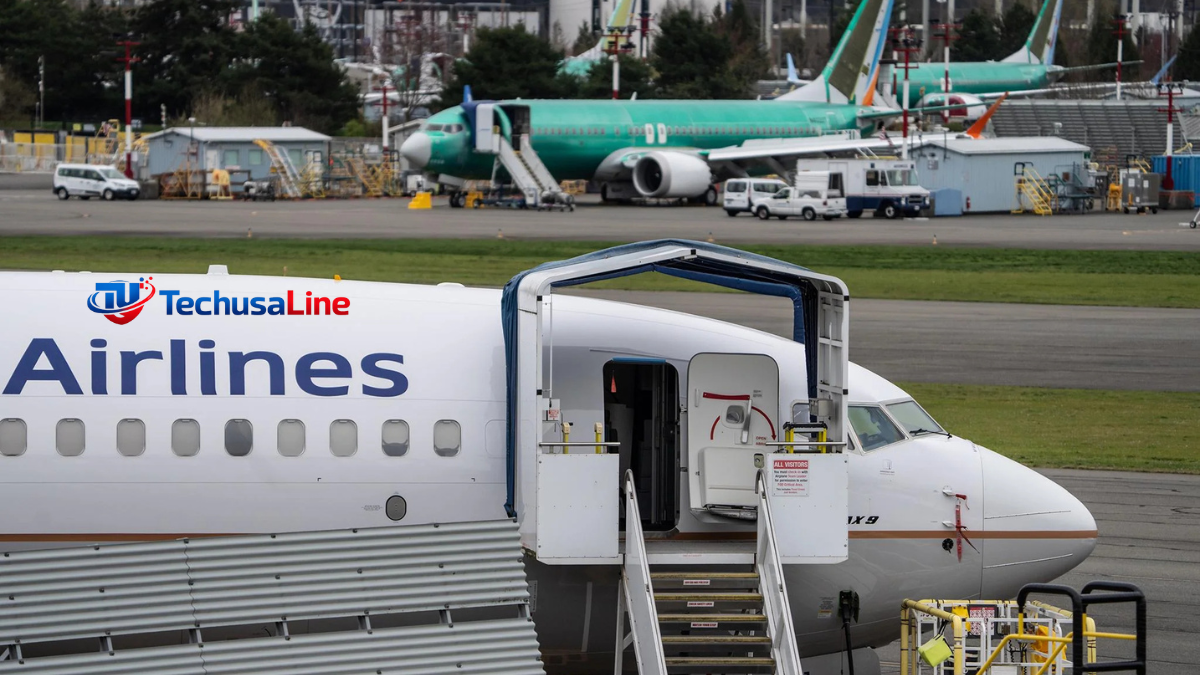
When discussing which Boeing planes passengers are most hesitant about, the conversation often centers on a few specific models. The most prominent example is the Boeing 737 MAX series, which faced global scrutiny after two fatal crashes led to a worldwide grounding. Although extensive investigations resulted in software redesigns, improved pilot training, and regulatory recertification, the emotional impact of those events still influences public opinion. For many travelers, trust once lost is slow to rebuild, even when experts agree that the aircraft now meets stringent safety requirements Which Boeing Planes to Avoid.
Other Boeing aircraft sometimes mentioned include older versions of the Boeing 737, particularly the Classic series, which are still operated by some airlines around the world. While these planes are not inherently unsafe, their age means they rely heavily on meticulous maintenance and replacement of aging components. The Boeing 787 Dreamliner has also drawn attention, not due to major accidents, but because of manufacturing quality concerns that led to delivery pauses and additional inspections. These examples show that controversy does not automatically equal danger, but it does explain why certain models appear more frequently in discussions about which planes passengers prefer to avoid Which Boeing Planes to Avoid.
Boeing Planes vs Airline Maintenance Standards
One of the most overlooked truths in aviation safety is that the airline often matters more than the aircraft model. A well-maintained Boeing aircraft operated by a reputable airline with strong safety culture is generally safer than a newer aircraft flown by an airline with poor maintenance practices. Airlines are responsible for routine inspections, component replacements, software updates, and pilot training. Regulators audit these processes regularly, but the airline’s internal commitment to safety makes a significant difference Which Boeing Planes to Avoid.
This is why safety experts consistently advise passengers to look beyond the aircraft type and consider the airline’s overall safety record. Training standards, crew experience, and adherence to international best practices all contribute to safe operations. In many cases, a plane that passengers are nervous about has logged millions of incident-free flight hours under well-run airlines. Understanding this broader context can help travelers make more rational decisions and reduce unnecessary anxiety about flying on specific Boeing models.
Should Passengers Actually Avoid Any Boeing Planes?
From a statistical and regulatory standpoint, there is no strong evidence suggesting passengers should categorically avoid any Boeing aircraft that is currently in service. Commercial aviation accident rates are extraordinarily low, and when issues arise, they are investigated thoroughly and addressed system-wide. Modern aircraft are equipped with advanced monitoring systems that can detect problems long before they become serious. This proactive approach is one reason why aviation continues to improve its safety record year after year.
However, passenger comfort and peace of mind are also valid considerations. Some travelers may prefer to fly on newer aircraft or avoid models associated with negative publicity, simply to feel more relaxed. This is a personal choice rather than a safety requirement. The key takeaway is that fear should not replace facts. Understanding how aviation safety works, and how quickly issues are corrected, allows passengers to travel with confidence rather than concern.
How Travelers Can Check Aircraft Type Before Booking
Travelers who care about aircraft type have several tools at their disposal. Most airline booking websites display the aircraft model during the reservation process, and third-party flight tracking platforms provide detailed fleet information. Seat map tools can also indicate whether a flight is operated by a newer or older aircraft variant. While aircraft assignments can change at the last minute due to operational needs, checking in advance still gives passengers a general idea of what to expect.
It is also useful to remember that last-minute aircraft swaps are common and usually done for safety or efficiency reasons. Rather than viewing a change as a negative sign, passengers should understand it as part of normal airline operations. Airlines do not substitute aircraft casually; they do so to maintain schedules while meeting safety and maintenance requirements.
Conclusion
The question of which Boeing planes to avoid is ultimately more complex than it appears. No commercial Boeing aircraft flying today is considered unsafe by regulators, and every model in service has passed rigorous certification and ongoing inspections. While certain aircraft have faced controversy due to design, software, or manufacturing issues, those problems have led to improvements rather than permanent risks. Aviation safety is built on learning from mistakes, not ignoring them.
For passengers, the most productive approach is informed awareness rather than fear. Understanding how aircraft are certified, how airlines maintain them, and how regulators enforce safety standards can significantly reduce anxiety. Instead of focusing solely on aircraft models, travelers should consider airline reputation, operational practices, and personal comfort preferences. With this balanced perspective, flying on Boeing aircraft can be approached with confidence rather than concern.
You may also read:
Best Pasticho Venezuelan Lasagna Near Me