


Lake Ontelaunee is one of the most important man-made reservoirs in Berks County, Pennsylvania, serving as both a critical water supply source and a peaceful natural retreat. Surrounded by rolling landscapes, farmland, and wooded areas, the lake is more than just a body of water—it is a carefully managed ecosystem that supports local communities and wildlife alike. Many residents rely on it indirectly for clean drinking water, while visitors appreciate its calm atmosphere, scenic beauty, and quiet outdoor surroundings. The lake’s presence has shaped both environmental planning and regional development for decades, making it a central feature of the area.
From an environmental perspective, Lake Ontelaunee plays a vital role in balancing human needs with natural preservation. It collects water from the Maiden Creek watershed and stores it for municipal use, ensuring a stable supply for nearby towns and cities. At the same time, its shoreline and surrounding habitat support a diverse range of plant and animal life. Although recreational access is limited in certain areas to protect water quality, the lake still attracts anglers, birdwatchers, and nature enthusiasts who appreciate its untouched beauty. This dual purpose—utility and conservation—makes Lake Ontelaunee a unique example of sustainable resource management in Pennsylvania.
History and Formation of Lake Ontelaunee
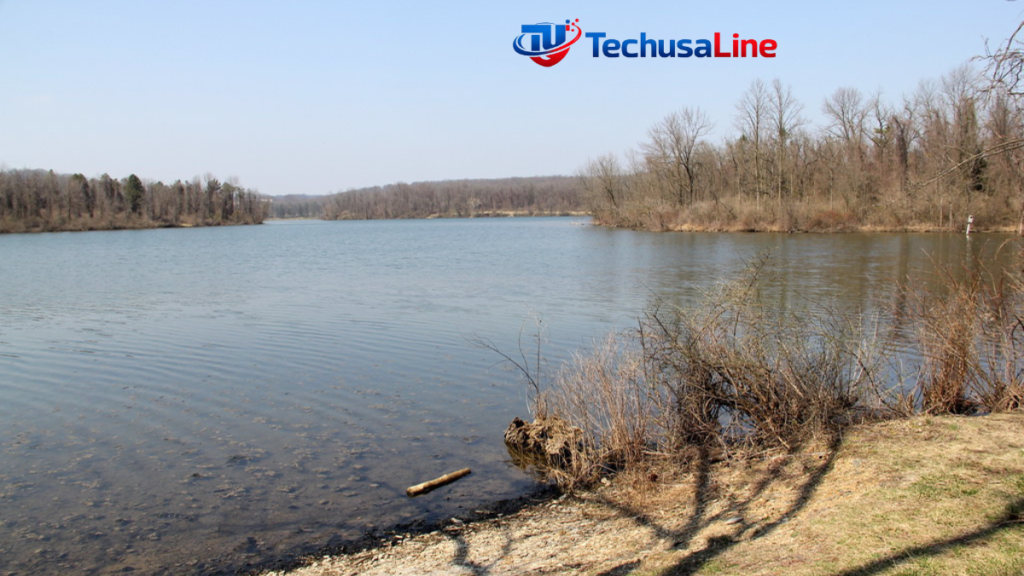
The creation of Lake Ontelaunee was driven by the growing need for a reliable water source in the early 20th century. Constructed in the 1920s, the reservoir was formed by damming Maiden Creek, transforming a natural valley into a large controlled water body. This ambitious engineering project was designed to meet the increasing demands of Reading and surrounding communities, which were experiencing population growth and industrial expansion. The decision to build the reservoir marked a major step in regional infrastructure development, reflecting how water management was becoming a priority for urban planning at the time.
Over the years, Lake Ontelaunee has undergone improvements in maintenance, monitoring, and environmental protection. While its original purpose was primarily utilitarian, its role has expanded to include ecological stewardship and conservation awareness. Historical records show that the lake has remained a stable and reliable water source for nearly a century, adapting to changing regulations and environmental standards. The surrounding land has also evolved, with protected zones established to safeguard water quality and reduce pollution risks. These efforts highlight how the lake has transitioned from a purely industrial project into a carefully preserved environmental asset.
Geography and Ecology of Lake Ontelaunee
Lake Ontelaunee is located in northern Berks County and spans a large watershed area fed primarily by Maiden Creek. The surrounding geography is characterized by gentle hills, agricultural land, and forest patches, creating a scenic yet functional environment for water collection. The lake itself is relatively shallow compared to natural lakes, which allows for efficient water management but also requires careful ecological monitoring. Seasonal changes significantly affect water levels, with rainfall and drought conditions influencing storage capacity and flow rates throughout the year.
Ecologically, Lake Ontelaunee supports a wide range of biodiversity despite its primary role as a reservoir. Fish species such as bass, perch, and catfish inhabit its waters, making it a popular location for regulated fishing activities. The surrounding wetlands and wooded areas provide habitat for birds like herons, ducks, and migratory species, as well as small mammals and reptiles. Native vegetation along the shoreline helps stabilize soil and filter runoff, contributing to overall water quality. However, because the lake is also a drinking water source, strict environmental protections are enforced to minimize pollution and maintain ecological balance. This careful management ensures that both human and natural systems can coexist sustainably.
Recreation and Water Supply Importance of Lake Ontelaunee
Although Lake Ontelaunee is not a fully open recreational lake, it still offers several outdoor opportunities for visitors who respect its protected status. Fishing is one of the most popular activities, with designated areas allowing anglers to enjoy a peaceful experience in a relatively undisturbed setting. Hiking and walking are also common in nearby zones, where visitors can observe scenic views of the water and surrounding countryside. However, activities such as boating and swimming are generally restricted to preserve water quality, which is essential for its role as a municipal reservoir. These limitations help maintain the lake’s long-term environmental health while still allowing controlled public enjoyment.
Beyond recreation, Lake Ontelaunee’s most significant function is its role in supplying clean drinking water to local communities. Water drawn from the reservoir undergoes treatment before being distributed to homes and businesses, making it an essential part of regional infrastructure. Managed by local water authorities, the lake is continuously monitored for quality, safety, and environmental impact. Maintenance efforts include controlling runoff, preventing contamination, and managing vegetation around the shoreline. This careful oversight ensures that the reservoir remains both a reliable utility resource and a protected natural environment. Its importance cannot be overstated, as it directly supports public health and regional development.
Conclusion
Lake Ontelaunee stands as a powerful example of how human engineering and natural ecosystems can coexist when properly managed. Originally constructed to meet water supply needs, it has grown into a vital environmental and infrastructural asset for Berks County. Its calm waters, surrounding landscapes, and ecological diversity make it an important habitat for wildlife while also supporting thousands of residents through clean water distribution. The balance between conservation and utility is carefully maintained, ensuring that the lake continues to serve both nature and people effectively.
As environmental challenges continue to evolve, the importance of protecting resources like Lake Ontelaunee becomes even more significant. Sustainable management practices, ongoing monitoring, and public awareness all contribute to preserving its value for future generations. Whether viewed as a reservoir, an ecological habitat, or a quiet scenic location, Lake Ontelaunee remains a cornerstone of regional stability and natural beauty.