

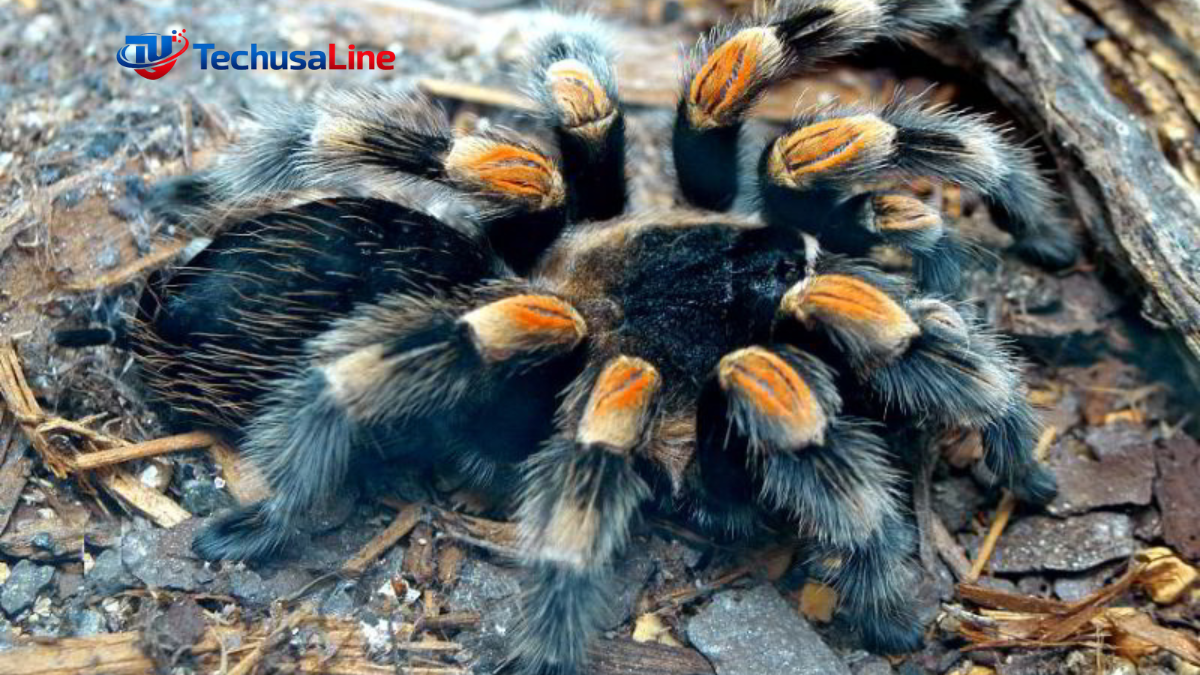
The theraphosidae spider, commonly known as the tarantula, is one of the most fascinating and misunderstood creatures in the arachnid world. Belonging to a large family of hairy, often large-bodied spiders, theraphosids are found across multiple continents and adapted to a wide range of habitats. Despite their intimidating appearance, most species are relatively harmless to humans and play an important ecological role.
This article explores everything about the theraphosidae spider—from its biology and behavior to its habitat, species diversity, and care in captivity. Whether you are a curious learner or a prospective pet owner, understanding these spiders reveals a world of surprising complexity and natural beauty.
Introduction to Theraphosidae Spider
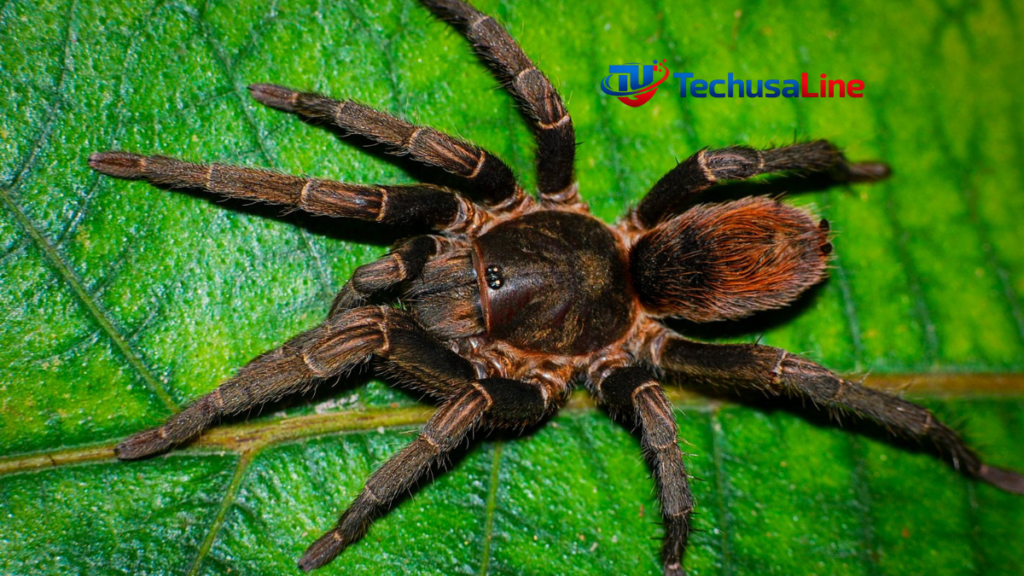
The theraphosidae spider family includes more than a thousand known species, making it one of the most diverse groups of spiders in the world. These spiders are often recognized by their large size, hairy bodies, and slow, deliberate movements. They have existed for millions of years, evolving into highly specialized predators that thrive in both tropical and arid environments.
Despite their fearsome reputation, theraphosidae spiders are generally non-aggressive and rely on camouflage and defensive behavior rather than active confrontation. Their hair-like structures, called setae, help them sense vibrations in their environment, making them highly aware of movement nearby. This sensory adaptation allows them to effectively hunt prey and avoid predators.
Humans have long been fascinated by tarantulas due to their dramatic appearance and mysterious behavior. In reality, they are shy creatures that prefer solitude and spend most of their lives hidden in burrows or natural shelters.
Taxonomy, Species Diversity, and Global Distribution
The theraphosidae spider belongs to the order Araneae and the suborder Mygalomorphae, which also includes trapdoor spiders. Within this family, there are numerous genera and species, each adapted to specific environments. Some of the most well-known include Brachypelma, Grammostola, and Poecilotheria.
These spiders are widely distributed across the globe, primarily in tropical and subtropical regions. South America is home to some of the largest and most colorful species, while Africa and Asia host fast-moving arboreal varieties. In North America, species like the Texas brown tarantula are more commonly found in dry, desert-like environments.
Their ability to adapt to diverse ecosystems is one of the reasons for their evolutionary success. Some species live in underground burrows, while others dwell in trees or rocky crevices. This adaptability allows theraphosidae spiders to survive in both humid rainforests and harsh deserts, demonstrating their incredible ecological flexibility.
Physical Characteristics and Anatomy
The theraphosidae spider is easily identified by its robust body structure and dense covering of hair. Its body is divided into two main parts: the cephalothorax and the abdomen. Eight strong legs allow it to move smoothly across uneven terrain, while specialized hairs enhance its sensory perception.
One of the most unique features of these spiders is their urticating hairs, found mainly in New World species. These tiny barbed hairs can be released as a defense mechanism against predators, causing irritation if they come into contact with skin or eyes. Additionally, their powerful fangs are capable of delivering venom to subdue prey, although the venom is typically mild to humans.
Theraphosidae spiders undergo molting throughout their lives, shedding their exoskeleton to grow. This process is crucial for development but leaves them temporarily vulnerable. Coloration varies widely among species, ranging from earthy browns and blacks to vibrant blues and reds, often serving as camouflage or warning signals.
Behavior, Diet, and Hunting Techniques
The theraphosidae spider is primarily nocturnal, emerging at night to hunt and explore. It is an ambush predator, meaning it waits patiently for prey rather than actively chasing it. Using vibrations detected through its sensitive hairs, it can quickly identify the presence of insects, small reptiles, or other invertebrates.
Once prey is detected, the spider strikes quickly, immobilizing it with venom before consuming it. Its diet mainly consists of insects like crickets, beetles, and grasshoppers, though larger species may occasionally capture small frogs or rodents.
Despite their size and strength, theraphosidae spiders are solitary creatures. They rarely interact with others except during mating season. Their defensive behavior is more about intimidation than aggression, often involving rearing up or flicking urticating hairs rather than attacking.
Venom, Safety, and Human Interaction
Although the theraphosidae spider possesses venom, it is generally not dangerous to humans. Most bites result in mild symptoms such as localized pain, swelling, or irritation similar to a bee sting. Severe reactions are extremely rare and usually occur only in cases of allergies or improper handling.
These spiders prefer to avoid confrontation and will only bite if they feel threatened. In most cases, they rely on camouflage, retreat, or defensive displays rather than aggression. This makes them relatively safe to observe in both the wild and captivity when handled responsibly.
Culturally, tarantulas have often been misunderstood, leading to exaggerated fears. However, they play an essential role in controlling insect populations and maintaining ecological balance.
Reproduction, Life Cycle, and Growth
Reproduction in theraphosidae spiders involves complex courtship behavior, where males approach females cautiously to avoid being mistaken for prey. After mating, females produce an egg sac that can contain hundreds of eggs, which they carefully guard until hatching.
Spiderlings emerge fully formed but extremely small, undergoing multiple molting stages as they grow. Growth rates vary depending on species and environmental conditions. Females typically live much longer than males, with some reaching 20–30 years in captivity, while males often live only a few years after maturity.
Molting is a critical part of their life cycle, allowing them to increase in size and regenerate lost body parts. During this stage, they are highly vulnerable and require safe, undisturbed environments.
Theraphosidae Spider as Pets (Care and Maintenance)
Many species of theraphosidae spider are popular in the exotic pet trade due to their unique appearance and relatively low maintenance requirements. Proper care involves maintaining a suitable enclosure with controlled humidity, temperature, and substrate for burrowing.
Feeding typically consists of live insects such as crickets or roaches, provided at regular intervals depending on the spider’s size and age. Fresh water should always be available, and handling should be minimized to reduce stress.
While tarantulas are not aggressive, they should be observed rather than frequently handled. Beginners are often advised to start with calmer species known for their docile nature.
Conservation and Ecological Importance
Theraphosidae spiders play a vital role in ecosystems by controlling insect populations and serving as both predator and prey. However, habitat destruction and illegal collection for the pet trade pose threats to certain species.
Conservation efforts focus on habitat protection and responsible captive breeding programs. Educating the public about their ecological value is essential for reducing unnecessary fear and promoting coexistence.
Conclusion
The theraphosidae spider is a remarkable example of nature’s diversity and adaptability. Despite its intimidating appearance, it is a generally harmless and ecologically important creature. From its complex behaviors to its wide global distribution, the tarantula continues to captivate scientists and enthusiasts alike.
Understanding these spiders helps replace fear with appreciation, revealing a world of intricate survival strategies and natural balance.