

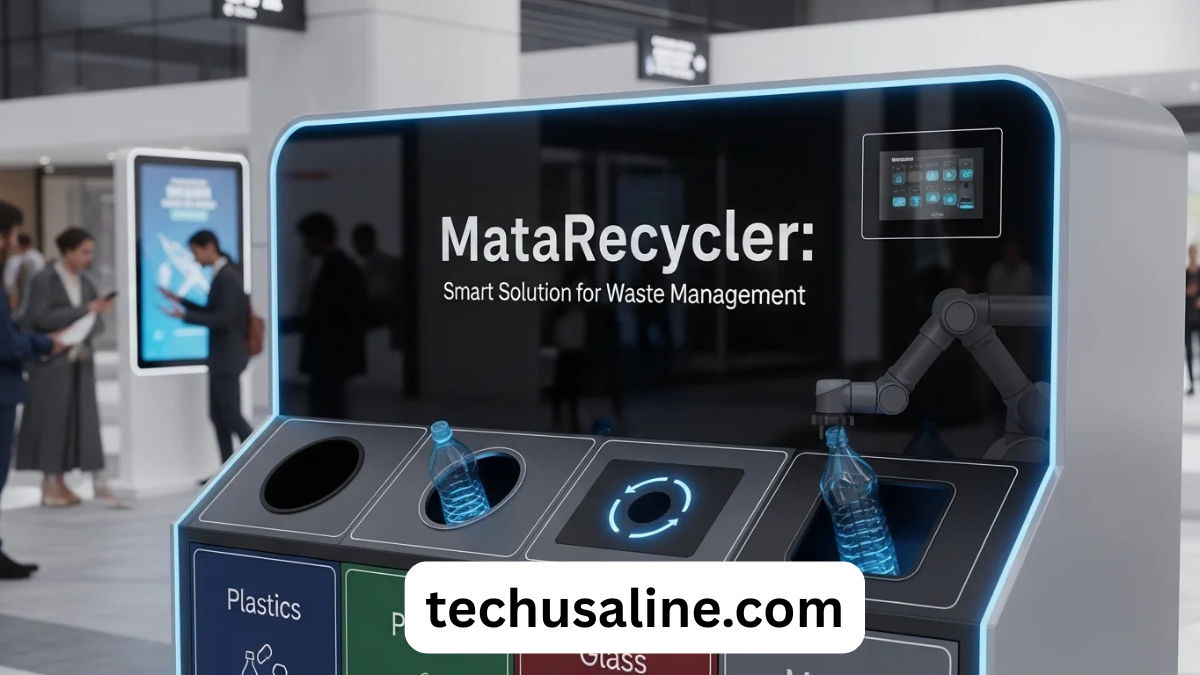
MataRecycler represents a modern shift in how waste is managed and recycled across industries and communities. As environmental concerns grow and landfill spaces shrink, efficient systems that recover valuable materials from waste streams have become essential. MataRecycler is designed to address these challenges by combining smart technology with sustainable recycling practices. It supports businesses, municipalities, and industries in reducing waste while maximizing material recovery.
Traditional waste disposal methods often lead to resource loss and environmental harm. Materials that could be reused or repurposed end up buried or burned, contributing to pollution and unnecessary resource extraction. MataRecycler changes this approach by creating an organized and technology-driven system for sorting, processing, and recovering materials. Its implementation promotes responsible waste handling while supporting long-term environmental goals.
Technology plays a key role in improving recycling efficiency. Automated systems, data tracking, and intelligent sorting mechanisms allow waste to be processed with greater accuracy and speed. MataRecycler integrates these innovations to ensure materials like plastics, metals, and other recyclables are separated effectively. This reduces human error and improves recovery rates, making recycling operations more productive and cost-efficient.
Beyond operational efficiency, MataRecycler contributes to sustainability by minimizing carbon emissions and reducing dependency on raw material extraction. By recovering valuable resources from waste, industries can reuse materials instead of sourcing new ones. This approach supports circular economy principles and creates a more sustainable framework for resource management in the long run.
Core Features and Working Mechanism of MataRecycler
MataRecycler operates through advanced sorting and processing technology designed to optimize waste handling. One of its primary features is automated material identification. Sensors and intelligent software systems detect different types of waste materials and separate them based on composition. This reduces manual sorting requirements and improves overall accuracy.
Automation significantly increases operational efficiency. Instead of relying heavily on manual labor, the system uses machine-based recognition to identify plastics, metals, paper, and other recyclable materials. This ensures consistent performance and reduces contamination in recycled outputs. As a result, the quality of recovered materials improves, making them suitable for reuse in manufacturing and production processes.
The material recovery process within MataRecycler follows a structured workflow. Waste is collected and fed into the system where it undergoes initial screening. Advanced separation techniques then classify materials based on weight, density, magnetic properties, and optical recognition. Once separated, materials are cleaned and prepared for recycling or resale to industries that require raw inputs.
Energy efficiency is another important feature of MataRecycler. Modern systems are designed to consume minimal power while delivering high output performance. Optimized machinery and smart operational controls help reduce unnecessary energy consumption. This makes the system not only environmentally friendly but also cost-effective for organizations that implement it at scale.
Digital integration further strengthens its functionality. Real-time monitoring tools allow operators to track performance metrics, material output, and system efficiency. Data insights help identify operational improvements and maintenance needs. With continuous monitoring, businesses can maintain smooth recycling operations and improve long-term productivity.
Benefits of Using MataRecycler
MataRecycler offers significant environmental advantages by reducing waste accumulation and lowering landfill dependency. Landfills contribute to soil contamination and greenhouse gas emissions. By diverting recyclable materials from disposal sites, the system helps minimize environmental damage and supports cleaner communities.
Economic benefits also make MataRecycler attractive to businesses and local governments. Recovering valuable materials creates opportunities for resale and reuse. Instead of purchasing new raw materials at higher costs, companies can reuse processed materials from waste streams. This reduces operational expenses and creates additional revenue opportunities through material recovery.
Improved resource recovery rates are another key advantage. Traditional recycling methods often miss valuable materials due to inefficient sorting processes. MataRecycler enhances accuracy through automation and smart detection, ensuring a higher percentage of recyclables are captured. Higher recovery rates translate into better sustainability outcomes and stronger financial returns.
Reducing landfill usage also extends the lifespan of waste management infrastructure. Communities that rely heavily on landfills face space limitations and increasing disposal costs. By implementing advanced recycling systems, municipalities can manage waste more effectively and reduce long-term environmental liabilities.
In addition, MataRecycler supports corporate sustainability goals. Many organizations are now required to meet environmental regulations and sustainability reporting standards. Implementing efficient recycling technology demonstrates commitment to responsible resource management. It improves corporate reputation while aligning operations with modern environmental policies.
Applications and Industry Use Cases
MataRecycler is widely applicable across municipal waste systems. Cities generate large volumes of household and commercial waste daily. Integrating this system into municipal facilities improves sorting efficiency and reduces manual labor requirements. It helps local governments manage waste streams more effectively while promoting community-level sustainability.
Industrial and commercial sectors also benefit from its implementation. Manufacturing plants, warehouses, and retail facilities produce significant amounts of recyclable waste. By installing MataRecycler systems on-site or within centralized facilities, companies can process waste materials internally and recover useful resources for reuse.
Construction and demolition industries generate complex waste materials such as concrete, metal, wood, and mixed debris. These materials often require specialized sorting and separation. MataRecycler’s advanced processing capabilities make it suitable for handling mixed industrial waste. It improves material extraction and reduces disposal costs for large-scale projects.
Plastic, metal, and electronic waste recycling represent growing areas of concern worldwide. Electronic devices contain valuable metals but also hazardous components. Efficient separation and material recovery systems help extract valuable elements while managing environmental risks. MataRecycler supports these specialized recycling needs with adaptable processing technology.
Future expansion opportunities include integration with smart city initiatives and automated waste collection systems. As sustainability efforts grow globally, advanced recycling infrastructure will become increasingly important. MataRecycler can scale alongside these developments and adapt to emerging waste management demands.
Challenges and Future Development
Despite its advantages, implementing MataRecycler systems may involve initial investment challenges. Advanced technology, machinery, and installation require financial planning. Organizations must evaluate cost-benefit projections to determine long-term returns. However, operational savings and material recovery revenue often offset upfront expenses over time.
Technical maintenance and system management are additional considerations. Like any automated infrastructure, regular servicing ensures optimal performance. Proper training for operators and technicians is essential to maintain system efficiency and prevent downtime. Investing in skilled personnel enhances long-term reliability.
Future development focuses on improving artificial intelligence integration and expanding automation capabilities. Enhanced machine learning algorithms can improve material recognition accuracy and adapt to changing waste compositions. Continuous innovation will make recycling systems more intelligent and responsive to real-world conditions.
Scalability is another important factor for global adoption. As more regions adopt sustainable waste policies, demand for advanced recycling infrastructure will increase. MataRecycler has the potential to expand into international markets by adapting to different regulatory environments and waste management requirements.
Collaboration between governments, private industries, and technology developers will drive further advancements. Strategic partnerships can accelerate system improvements and increase accessibility. With continuous development, MataRecycler can become a core component of future circular economy models.
Conclusion
MataRecycler plays a transformative role in modern waste management by combining automation, smart technology, and sustainability principles. It improves material recovery rates, reduces landfill dependency, and supports economic efficiency. Through advanced sorting mechanisms and digital monitoring systems, it enhances recycling performance across multiple industries.
Its applications extend from municipal waste facilities to industrial operations and specialized recycling sectors. Although initial implementation requires investment, the long-term environmental and financial benefits make it a valuable solution for sustainable development.
As global focus shifts toward circular economy practices and responsible resource management, systems like MataRecycler will become increasingly important. By optimizing waste processing and maximizing material reuse, it contributes to cleaner environments and stronger sustainable infrastructure.
FAQs
What is MataRecycler and how does it work?
MataRecycler is an advanced recycling system that uses automation and smart technology to sort, process, and recover valuable materials from waste streams efficiently.
Who can benefit from using MataRecycler?
Municipalities, industrial companies, commercial businesses, and specialized recycling facilities can benefit from its efficient waste processing capabilities.
Is MataRecycler suitable for large-scale operations?
Yes, it is designed to handle high-volume waste processing and can be scaled according to operational requirements.
What materials can be processed through MataRecycler?
It can process plastics, metals, paper, electronic waste, construction debris, and other recyclable materials depending on system configuration.
How does MataRecycler support environmental sustainability?
It reduces landfill waste, improves material recovery, lowers carbon emissions, and promotes resource reuse, supporting circular economy principles.
Also Read: turaska